
Animal extinction is occurring at an alarming rate, with countless species vanishing due to habitat loss, climate change, and human impact. Every year, nearly 10,000 species are estimated to go extinct. This crisis not only impacts biodiversity but threatens entire ecosystems and the balance they bring to our environment.
For many species, survival now relies on urgent conservation efforts. While numerous initiatives aim to protect endangered animals, challenges like limited funding, poaching, and environmental degradation persist, making effective intervention complex.
In this guide, we’ll break down essential statistics and offer key insights into the state of animal extinction and conservation. By understanding these figures, we can better grasp the critical issues at hand and explore potential solutions for preserving our planet’s wildlife.

Statistics and Facts About Animal Extinction and Conservation
The Global Wildlife Population in the Last 50 Years Has Declined by 73%
The Living Planet Index reveals a staggering 73% average decline in global wildlife populations in the last 50 years. This alarming trend underscores the widespread biodiversity crisis driven by habitat loss, climate change, and human activities, threatening ecosystems and the essential services they provide to humanity. [1]
Freshwater Species Have Experienced an 85% Decline Since 1970
Freshwater species have experienced the most significant decrease among all species groups. This drastic reduction of 85% highlights the vulnerability of freshwater ecosystems to pollution, overfishing, and habitat destruction, which severely impact biodiversity and water resources essential for life. [1]
Terrestrial Species Have Seen a 69% Population Decline in the Past 50 Years
The terrestrial species population has declined by 69%. This significant loss is primarily due to deforestation, land-use change, and urban expansion, which destroy habitats and disrupt ecological balance, posing a major threat to biodiversity and ecosystem services. [1]
Marine Populations Have Decreased by 56% During the Same Period
The marine populations have declined by 56% since 1970, reflecting the challenges faced by ocean ecosystems. Overfishing, pollution, and climate change contribute to this decline, endangering marine biodiversity and impacting food security for communities reliant on ocean resources. [1]
Wildlife Populations in Latin America and the Caribbean Have Plummeted by 95%
In Latin America and the Caribbean, wildlife populations have declined by a staggering 95%. This dramatic decline is driven by deforestation, agricultural expansion, and illegal wildlife trade, threatening unique ecosystems like the Amazon rainforest and its rich biodiversity. [2]
Africa Has Witnessed a 76% Drop in Wildlife Populations
Wildlife populations in Africa have declined by 76%. Factors such as poaching, habitat loss, and climate change are major contributors to this decline, endangering iconic species like elephants and rhinos and affecting ecological balance across the continent. [2]
The Wild Tiger Population Has Increased by 74% Since 2010
Since 2010, the wild tiger population has risen by 74%, with current estimates placing their numbers at 5,574 individuals. This success is attributed to enhanced conservation efforts, anti-poaching measures, and habitat restoration across tiger range countries, showcasing effective wildlife management strategies. [3]
River Dolphin Populations Have Declined Steeply by 73%
River dolphin populations have experienced a steep decline of 73%. This decline is primarily attributed to factors such as pollution, unsustainable fishing practices, and habitat fragmentation. These issues pose a significant risk to the survival of these unique freshwater mammals, stressing the need for urgent conservation efforts to protect river ecosystems. [4]
28% of Assessed Species Face Extinction Threat, Reports IUCN
The International Union for Conservation of Nature (IUCN) reports that 28% of assessed species face the threat of extinction. This includes various animals and plants impacted by habitat destruction, climate change, and overexploitation, underscoring the necessity for global conservation action. [5]
41% of Amphibian Species Face the Threat of Extinction
Forty-one percent of amphibian species are at risk of extinction. These species are particularly vulnerable to environmental changes like pollution and disease outbreaks, such as chytridiomycosis. This highlights their sensitivity to ecosystem disturbances and climate fluctuations. [5]
26% of Mammal Species Face the Threat of Extinction
Twenty-six percent of mammal species are currently threatened with extinction. Key drivers of this risk include habitat loss due to agriculture and urbanization, as well as poaching and climate change impacts, which further threaten these essential components of global biodiversity. [5]
34% of Conifer Species Face the Threat of Extinction
Approximately 34% of conifer species are endangered. Conifers play a critical role in forest ecosystems, yet they face serious threats from logging, land conversion for agriculture, and climate change, which affect both biodiversity and the forests’ capacity for carbon storage. [5]
97% of Fish Species Listed Under the Convention on Migratory Species Face Extinction
Nearly all fish species listed under the Convention on Migratory Species (97%) are at risk of extinction. Overfishing, habitat degradation, and pollution are major contributors to this decline, with significant impacts on marine biodiversity and the livelihoods of fishing-dependent communities. [6]
UN Report: 44% of Migratory Species Face Population Declines
A United Nations report indicates that 44% of migratory species are experiencing population declines, with 22% threatened with extinction. Habitat loss along migratory routes and the impacts of climate change pose serious survival challenges for these species. [6]
Since 1500, Human Activities Have Caused the Extinction of 680 Vertebrate Species.
Human activities since 1500 have led to the extinction of at least 680 vertebrate species. This historical trend highlights the severe impact of human expansion on biodiversity through actions such as hunting, habitat conversion, and the introduction of invasive species. [5]
Cyprus Achieves 91% Reduction in Illegal Bird Netting Through Coordinated Local Efforts
In Cyprus, coordinated local efforts have led to a 91% reduction in illegal bird netting. This success demonstrates the power of community engagement and effective law enforcement in protecting migratory birds from poaching. [7]
Over 75% of the World’s Coral Reefs Are Impacted by Ongoing Bleaching Events.
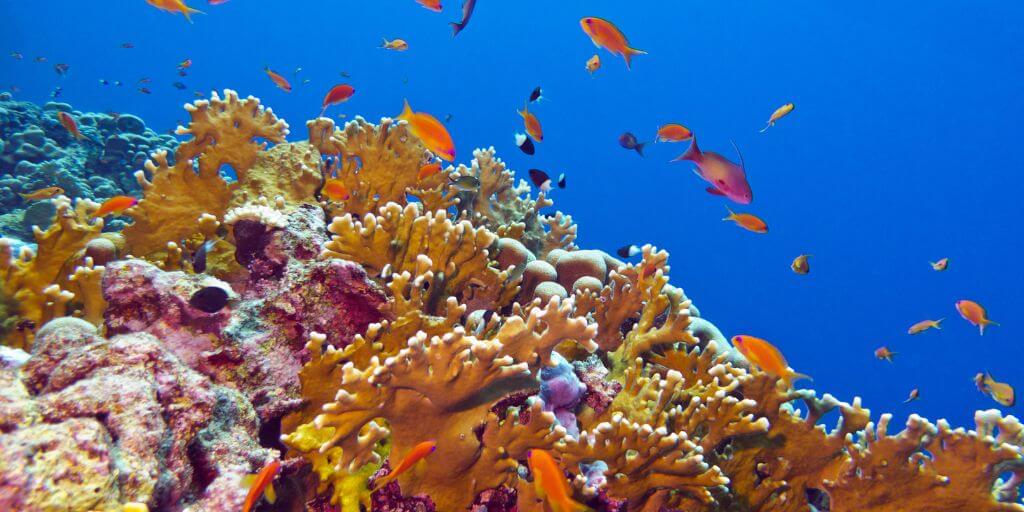
More than 75% of the world’s coral reefs are affected by ongoing bleaching events due to rising sea temperatures, a direct result of climate change. This bleaching threatens marine biodiversity and affects millions who depend on coral reefs for food security. [8]
94% Decline in Wildlife Populations Across Central and South America
Wildlife populations in Central and South America have declined by 94%. This sharp decline is primarily due to habitat conversion for agriculture and urbanization, as well as resource overexploitation, severely impacting biodiversity in these regions. [9]
37% of Shark and Ray Species at Risk of Extinction
Around 37% of shark and ray species face the risk of extinction. Overfishing, driven by demand for fins and meat, along with habitat degradation, poses serious threats to these important marine species and the ecosystems they support. [10]
51% of Key Biodiversity Areas for Cms-Listed Migratory Animals Remain Unprotected
Half (51%) of the Key Biodiversity Areas for CMS-listed migratory animals lack protected status. These areas are exposed to unsustainable human pressures, endangering the habitats and survival of various species that depend on these critical ecosystems. [11]
22% of Species Protected by the Convention on Migratory Species Face Extinction
Twenty-two percent of species listed under the Convention on Migratory Species are threatened with extinction. This statistic underlines the urgent need for international cooperation to ensure the protection of migratory species across their range. [12]
12% of Bird Species Face Threats
Currently, 12% of bird species are threatened. This reflects the adverse effects of habitat destruction, climate change, and other human activities on bird populations, highlighting the importance of targeted conservation efforts. [10]
45% Decline Hits Wildlife Populations Across Asia Pacific
Wildlife populations in the Asia Pacific region have experienced a 45% decline. This reduction is due to habitat loss, pollution, and overexploitation, underscoring the pressing need for improved conservation efforts in this diverse area. [2]
48% of 71,000 Species Are in Global Decline, Study Finds
A study covering 71,000 species found that 48% are in decline globally. Declines are mostly concentrated in tropical regions, driven by habitat loss and climate change. [13]
Arctic Sea Ice Decline Rate Since 1979: 4.7% Per Decade
Arctic sea ice has been decreasing at a rate of 4.7% per decade since 1979 due to climate change. This decline affects polar species, including polar bears, that rely on sea ice for hunting and breeding. [14]
Antarctic Krill Populations: Declined by up to 80% Since the 1970s
Antarctic krill populations have declined by up to 80% since the 1970s, mainly due to climate change impacting sea ice crucial to krill habitat and reproduction. Krill are a fundamental part of the Southern Ocean food web, supporting species like whales and penguins. [15]
15% of Land and 7% of Ocean Areas Are Designated for Conservation Protection
Currently, around 15% of land and 7% of ocean areas are under conservation protection. This level is widely considered inadequate to effectively protect global biodiversity, according to many experts.
Economic Impact Due to Decline in Pollinator Population
The decline in pollinator populations is estimated to threaten crops valued between $235 billion and $577 billion annually. This reflects the essential role pollinators play in supporting global food production.
Estimated Gap in the Conservation Funding: $700 Billion
An estimated $700 billion annual funding gap exists for effective global biodiversity conservation. This shortfall highlights the need for increased investment to protect ecosystems and species worldwide.
Annually, 100,000 Marine Animals Die Due to Plastic Entanglement and Ingestion
Each year, around 100,000 marine animals die due to entanglement in or ingestion of plastic waste, illustrating the severe impact of ocean pollution on marine life.
The current Extinction Rate is 1,000 Times Higher Than Pre-Human Levels
Species are currently going extinct at a rate 1,000 times higher than the pre-human rate. This accelerated extinction is driven by habitat destruction and climate change, posing significant risks to biodiversity and ecosystem stability.
Marine Pollution Has Increased Tenfold Since 1980
Since 1980, marine pollution has risen tenfold, now affecting 86% of marine turtles and 44% of seabird species. This pollution presents a major threat to marine biodiversity and disrupts ocean ecosystems.
Over 40% of Insect Species Risk Extinction in Coming Decades
More than 40% of insect species could face extinction within the coming decades due to habitat loss, largely from industrial agriculture. This decline jeopardizes ecological roles such as pollination and nutrient cycling.
Average Decline of 47% Observed in Natural Ecosystems
Natural ecosystems have seen an average decline of 47%, severely impacting both land and marine environments. This loss reduces essential ecosystem services necessary for human well-being and environmental health.
Loss of Over 85% of Wetlands
Over 85% of wetlands have been lost, resulting in biodiversity declines and weakening key ecosystem functions like water filtration and flood control.
Around 100 African elephants are killed daily
Each day, approximately 100 African elephants are killed for their ivory, threatening their survival and disrupting their vital ecological roles in the habitats they inhabit.
Conclusion
Animal extinction presents a critical challenge, with countless species vanishing each year due to factors like habitat loss, climate change, and human impact. Conservation efforts offer some hope, especially where focused funding and initiatives can address issues such as poaching and environmental damage.
However, limited resources and persistent challenges make these efforts complex and require broad cooperation to be truly effective. Understanding the severe impacts of species loss underscores the importance of ongoing conservation efforts. With accurate data and dedicated action, there is potential to protect endangered wildlife and support the natural environments that sustain all life on Earth.