
Asia is home to a vast array of wildlife, from majestic tigers roaming dense forests to unique bird species found nowhere else on Earth. Yet, the region’s wildlife faces significant challenges. Rapid urbanization and deforestation have drastically reduced natural habitats, pushing many species to the brink of extinction.
The loss of biodiversity not only impacts animals but also disturbs ecosystems that millions of people rely on for food, clean water, and resources. These challenges raise an important question: How can we protect Asia’s rich wildlife while continuing to develop?
In the following sections, we’ll explore this issue in depth and look at possible solutions. You’ll discover one incredible fact about Asia’s wildlife and find out what steps can be taken to preserve these vital species.
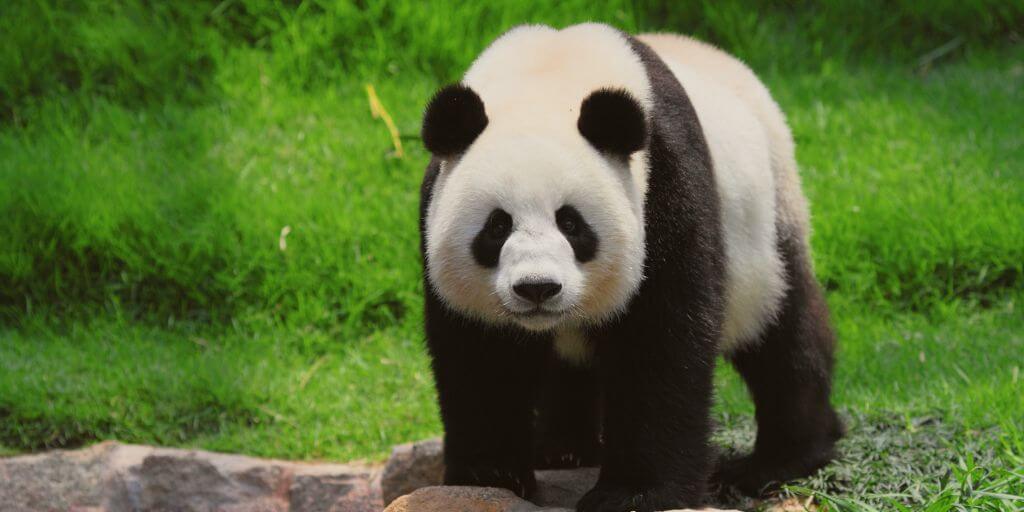
What Are the Common Animals of Asia?
Asia, the largest continent, hosts an extraordinary variety of wildlife, shaped by its diverse climates and landscapes. One of the most recognizable animals is the Giant Panda, native to China, with its black-and-white fur and a diet mainly consisting of bamboo. This species remains a symbol of conservation efforts, as it continues to recover from endangered status.
The Asian Elephant, found across South and Southeast Asia, is the continent’s largest land mammal. Despite its size, it faces severe threats from poaching and habitat loss, making it one of the most vulnerable species in the region. Similarly, the Bengal Tiger, a powerful predator in India and Southeast Asia, is at risk due to illegal hunting and habitat fragmentation.
Further south, in the forests of Borneo and Sumatra, the Orangutan swings through the canopy, but its survival is jeopardized by widespread deforestation. The Komodo Dragon, limited to a few Indonesian islands, impresses as the world’s largest lizard, renowned for its size and hunting capabilities.
In the colder regions of Central Asia, the elusive Snow Leopard endures harsh mountain conditions but remains endangered from poaching and human encroachment. Meanwhile, Asia’s birdlife is represented by species such as the Great Hornbill and the Peacock, while reptiles like the King Cobra and Indian Cobra contribute to the rich biodiversity.
These species, along with many others, highlight the importance of preserving Asia’s wildlife amidst growing environmental challenges. If you want to know more about Asian animals, check out our guide to animals in Asia.
Wildlife of Mongolia
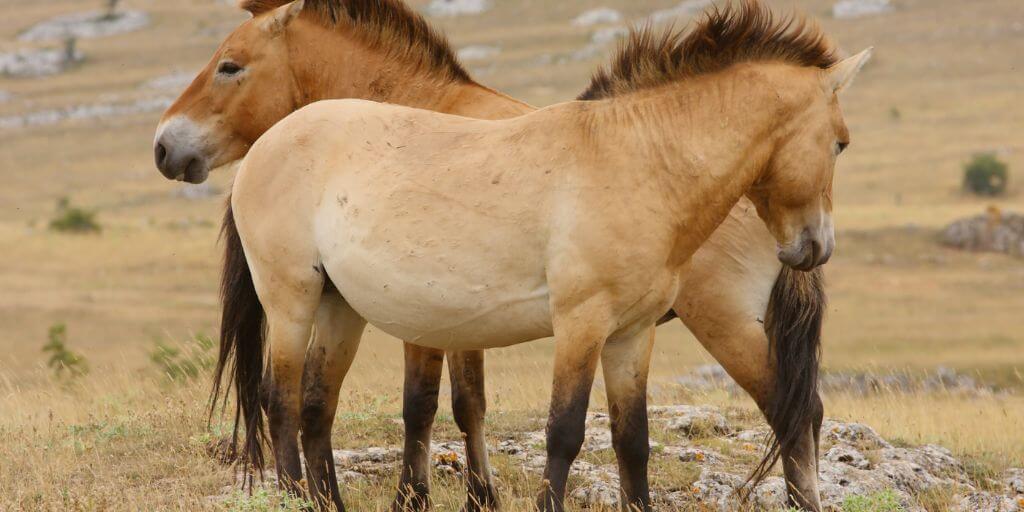
Mongolia’s wildlife reflects the country’s rugged landscapes and extreme climate, supporting a variety of species uniquely adapted to the region. Among the most iconic is Przewalski’s horse, native to Mongolia and considered a symbol of its wild heritage. This species, once extinct in the wild, has been successfully reintroduced and now roams the steppes.
Another notable species is the wild Bactrian camel, critically endangered and found in the harsh Gobi Desert. Alongside them, the elusive snow leopard roams the mountains, though it faces constant threats from poaching and habitat destruction. The Gobi bear, one of the rarest bears globally, is also native to Mongolia, making it an important conservation priority.
Additionally, Mongolia is home to the Argali sheep, the largest wild sheep, and the Siberian ibex, both thriving in the country’s mountainous regions. Birdlife in Mongolia is equally impressive, with the golden eagle and cinereous vulture frequently seen across the vast steppes. The white-naped crane, a critically endangered species, finds refuge in Mongolia’s wetlands.
If you want more information about Mongolian animals, see our article on interesting animals in Mongolia.
Biodiversity of China

China is recognized as one of the most biodiverse countries in the world, hosting an extensive range of ecosystems and species. The country is home to more than 38,000 animal species and over 44,000 plant species, placing it among the top three most biodiverse nations globally, along with Brazil and Colombia. Its varied habitats include tropical forests, arid deserts, and extensive marine environments such as coral reefs and mangroves.
A few of China’s most well-known species are the giant panda, the Asiatic black bear, and the golden snub-nosed monkey, many of which are endemic to the region. China’s biodiversity is concentrated in several global biodiversity hotspots, such as the Indo-Burma region and the Mountains of Southwest China, which support many unique and endangered species.
Despite this, China’s biodiversity faces numerous threats, primarily from habitat loss, pollution, and climate change. In response, the government has established protected areas and national parks aimed at safeguarding its natural heritage. Nevertheless, ongoing efforts are essential to address these challenges and ensure the long-term preservation of China’s ecosystems and wildlife.
To learn more about the animals in China, be sure to explore our article on animals native to China.
Animals of Japan
Japan’s wildlife features a diverse array of species, many of which are found only in the region. One of the most recognizable animals is the Japanese macaque, commonly referred to as the snow monkey. Known for its ability to thrive in cold environments, it is often seen soaking in hot springs during winter months. Another iconic species is the red-crowned crane, which symbolizes longevity and good fortune, and is primarily found in the wetlands of Hokkaido.
In Japan’s forests and mountains, the sika deer has flourished, especially in areas without natural predators. The Japanese giant salamander, one of the largest amphibians in the world, lives in fast-flowing streams and stands out for its size and longevity. The Japanese serow, a native goat-antelope species, also inhabits the mountainous regions, further highlighting the country’s rich biodiversity.
Japan’s marine life is equally diverse, with over 33,000 species reported in its surrounding waters. This vast variety underscores the importance of conservation, as many species face threats from habitat destruction and human activities. To address these challenges, Japan has established protected areas and implemented conservation programs to safeguard its wildlife.
For more in-depth information on the Wildlife of Japan, take a look at our article on common dangerous animals in Japan.
Species Native to Vietnam
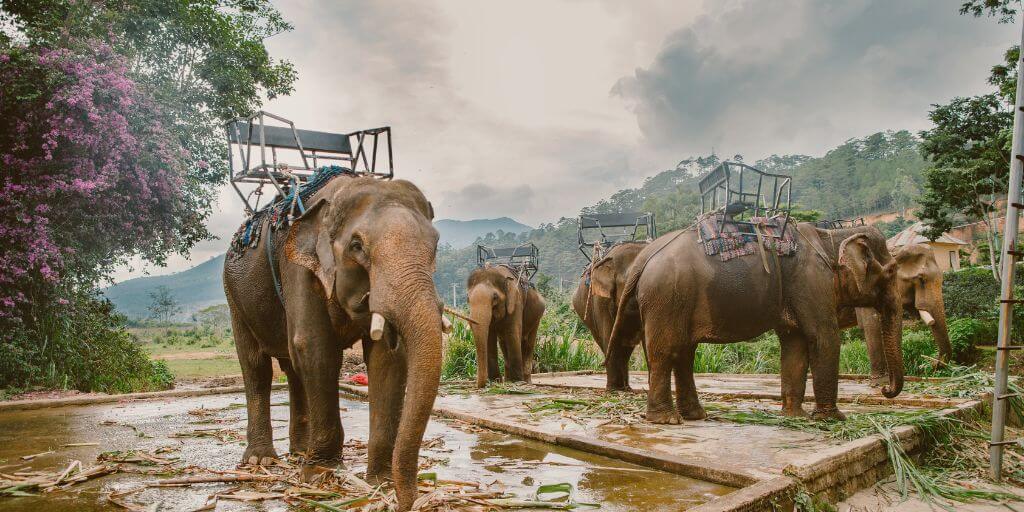
Vietnam’s wildlife is both diverse and unique, making the country a key biodiversity hotspot. Its ecosystems include tropical forests, wetlands, mountains, and coastal areas, providing habitats for a wide range of species. Notable among them is the red-shanked douc, a critically endangered primate known for its striking colors. Equally rare is the saola, often referred to as the “Asian unicorn,” which inhabits the remote Annamite Mountains.
In the forests, large mammals such as the Asian elephant and sun bear still roam, though they face increasing threats. Reptile and amphibian species are also abundant, with the Burmese python and mossy frog exemplifying Vietnam’s rich herpetofauna. The country’s wetlands and coastal areas support many bird species, including the giant ibis and numerous migratory birds.
However, Vietnam’s wildlife faces significant challenges from habitat loss, poaching, and illegal trade. Conservation efforts, including over 30 national parks and protected areas, are critical to protecting the nation’s biodiversity and ensuring the survival of these species.
If you’re looking for more details about the animals of Vietnam, feel free to read our full article on 12 interesting animals in Vietnam.
Cambodia’s Fauna
Cambodia’s fauna is rich in diversity, housing over 162 species of mammals, 600 bird species, and 176 reptile species. Its varied ecosystems, including the dense forests of the Cardamom Mountains and the wetlands surrounding the Tonle Sap, provide habitats for a wide array of wildlife. Mammals such as the Asian elephant and the clouded leopard roam the forests, while the kouprey, a critically endangered wild bovid, holds significant ecological importance. Other notable species include the Sunda pangolin and the sun bear, both of which face severe risks from poaching and loss of habitat.
In addition, Cambodia’s waterways serve as habitats for rare aquatic species like the Irrawaddy dolphin and the Siamese crocodile, both of which are critically endangered.
The giant ibis, the national bird, also lives in the wetlands but is vulnerable due to habitat destruction. To learn more about the birds of Cambodia, see our article on the species of bird found in Cambodia.
Reptiles, such as the reticulated python and different cobra species, are commonly found across the country.
Conservation efforts are actively being pursued through wildlife sanctuaries and national parks. However, ongoing threats like illegal wildlife trade and deforestation continue to endanger many species, underscoring the urgency for sustained conservation measures.
Conclusion
Animals across Asia are truly extraordinary, showcasing the continent’s immense biodiversity. From the Giant Panda in China to the Snow Leopard in Mongolia, each species plays a crucial role in its ecosystem. These animals are not only symbols of natural beauty but also reminders of the delicate balance of life on Earth.
Despite the threats they face, such as habitat loss and illegal hunting, many species continue to endure, thanks to conservation efforts. Protecting Asia’s wildlife is vital for maintaining the ecological balance and ensuring that future generations can witness the majesty of these creatures.
By raising awareness and supporting wildlife conservation, we can contribute to the survival of Asia’s incredible animals, safeguarding the biodiversity that enriches our planet.