
Some animals have diets so unique they leave us questioning how they survive and thrive. While most species stick to familiar food sources, a few have evolved to consume things far beyond the ordinary. This dietary adaptation often serves a specific purpose, allowing them to occupy niches where others can’t compete.
The challenges faced by these creatures are just as fascinating as their diets. How do they find and process such unusual meals? How do they digest them without causing harm? These questions reveal the incredible adaptations that exist in the animal kingdom.
For example, the honey badger consumes venomous snakes without fear, thanks to its remarkable resistance to toxins. This is just one case where nature surprises us.
In this article, we’ll explore more examples and explain how these animals survive on diets that would seem impossible for others.
Animals That Eat Ants
Many animals have evolved to include ants in their diet, benefiting from the insects’ abundance and nutritional value. Mammals like anteaters are perhaps the best-known ant-eaters, relying on long, sticky tongues to capture ants efficiently. Other mammals, such as aardvarks and pangolins, have similar adaptations, allowing them to access ants and termites within their nests.
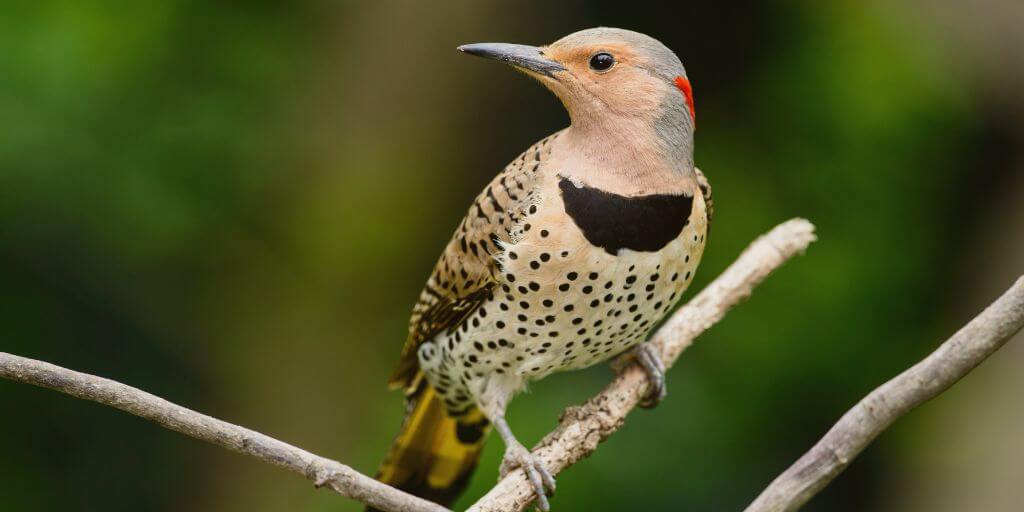
Birds also include ants in their diets. Species like the Northern Flicker, a type of woodpecker, consume large amounts of ants by foraging on the ground, using strong beaks to extract them from wood and soil. Other birds, including sparrows and starlings, supplement their diet with ants when available.
Reptiles such as horned lizards have developed the ability to capture ants using specialized tongues and jaws. Insects and arachnids also engage in ant predation. For instance, antlions and certain beetles prey on ants, while spiders such as jumping spiders hunt them directly.
These animals demonstrate how diverse species have adapted to rely on ants as a primary food source. To learn more about this, visit our article on animals that eat ants.
Animals That Eat Humans

While human predation by animals is rare, certain species have been known to attack and consume humans under specific conditions. Big cats, such as lions and tigers, are among the most notorious. Lions, for example, are responsible for between 20 and 250 human deaths annually worldwide. Tigers, especially in India, have caused significant fatalities, with an estimated 373,000 deaths from 1800 to 2009. These cats may prey on humans when their usual food sources become scarce or when they are old or injured.
Bears, particularly polar bears, may also prey on humans when facing nutritional stress. Other bear species may attack defensively, but this rarely involves intentional predation.
Crocodiles, especially Nile crocodiles, have a higher record of killing humans, often during activities near rivers. These reptiles are considered responsible for more human deaths by direct attack than any other predator.
Sharks, though feared, are less likely to attack humans. Only a few species, such as the great white, tiger, bull, and oceanic whitetip sharks, have been known to attack humans, with only 64 unprovoked attacks reported in 2019.
Other animals, including Komodo dragons, wolves, hyenas, and dingoes, occasionally attack humans, though such incidents are rare. If you are curious and looking for more information on human-eating animals, see our article on animals that eat humans.
Animals That Eat Both Plants and Animals

Animals that consume both plants and animals are known as omnivores. This versatile diet allows them to thrive in various habitats, depending on the available food sources. Found across different animal groups, omnivores have specific adaptations that help them digest both plant matter and animal proteins.
In the mammal category, bears are a well-known example. They eat berries, roots, fish, and small mammals. Similarly, raccoons and pigs include fruits, vegetables, insects, and small animals in their diets. Among birds, chickens and crows are omnivores, eating seeds, grains, insects, and carrion.
Reptiles, such as some turtles and lizards, also display omnivorous behavior, consuming both plants and small prey. Even certain insects, like cockroaches, are omnivores, feeding on a variety of organic materials, including decaying plants and animals.
These animals possess specialized teeth and digestive systems to efficiently process their mixed diets, contributing to their survival across diverse ecosystems. To learn more about omnivore animals, be sure to explore our article on animals that eat both plants and animals.
Animals That Drink Blood
Animals that feed on blood, known as hematophagous creatures, have developed unique adaptations to extract and consume this nutrient-rich fluid. Vampire bats, for instance, are the only mammals that subsist entirely on blood. Found in Central and South America, they use heat sensors to locate blood vessels and sharp teeth to make small cuts, while their saliva contains anticoagulants to keep blood flowing during feeding.
Similarly, female mosquitoes require blood to produce eggs. They pierce the skin with a needle-like proboscis to draw blood, often transmitting diseases like malaria and dengue.
Leeches, commonly found in freshwater environments, latch onto hosts with suckers and secrete anticoagulants to aid blood extraction. These creatures are sometimes used medicinally to restore blood circulation in damaged tissues.
Lastly, the vampire finch of the Galapagos Islands feeds on the blood of larger birds by pecking at their skin, an unusual behavior among birds.
If you’re interested in learning more about animals that drink blood, visit our article on animals that drink blood.
Animals That Eat Grass

Animals that consume grass, known as herbivores, have adapted to rely on it as a major part of their diet. Their digestive systems are specialized to extract nutrients from the tough cellulose found in grass.
Large mammals like elephants eat vast quantities of grass daily, using their trunks to pull it from the ground. Grass forms a significant part of their diet, along with other plant material. Ruminants such as cows, sheep, and goats are particularly efficient at digesting grass, thanks to their multi-chambered stomachs. They re-chew their food, a process called rumination, to aid digestion.
Non-ruminants like horses and zebras also graze on grass but use a different method involving a large cecum to break down cellulose. Smaller animals like rabbits and hares graze efficiently, while kangaroos in Australia primarily feed on grass, hopping across grasslands in search of food.
Want to explore more about grass-eating animals? Visit our article on animals that eat grass.
Conclusion
Animals with unique diets showcase remarkable adaptations that allow them to thrive in environments others can’t. From ant-eating specialists like anteaters and horned lizards to omnivores like bears and raccoons, their survival strategies vary widely. These dietary choices often reflect specific evolutionary needs that help each species navigate its habitat.
Predators such as lions, tigers, and crocodiles occasionally prey on humans, though such instances are rare and typically occur under certain conditions. Meanwhile, creatures like vampire bats and mosquitoes have evolved to feed on blood, demonstrating yet another fascinating dietary niche.
Herbivores like cows and elephants, with their specialized digestive systems, thrive on grass. Each of these animals underscores the variety of ways in which species adapt to sustain themselves, revealing the complexity of nature’s design.