Did you know kangaroos fear the sound of their own feet? It sounds unusual, but this reaction hints at a surprising quirk in the natural world. The powerful thumping of their hind legs, which they use for defense and movement, creates a sound that can trigger their own sense of danger.
Imagine a creature so swift and strong—yet its own footfall can cause it distress. For many, this raises questions: Why would a species evolve to fear its own movements? Is it a survival instinct gone awry, or does it serve a purpose in the wild?
In this guide, we’ll uncover the reasons behind this curious behavior and explore what it reveals about kangaroos’ instincts and environmental pressures. The answer may surprise you.
Do Kangaroos Really Fear Their Feet?
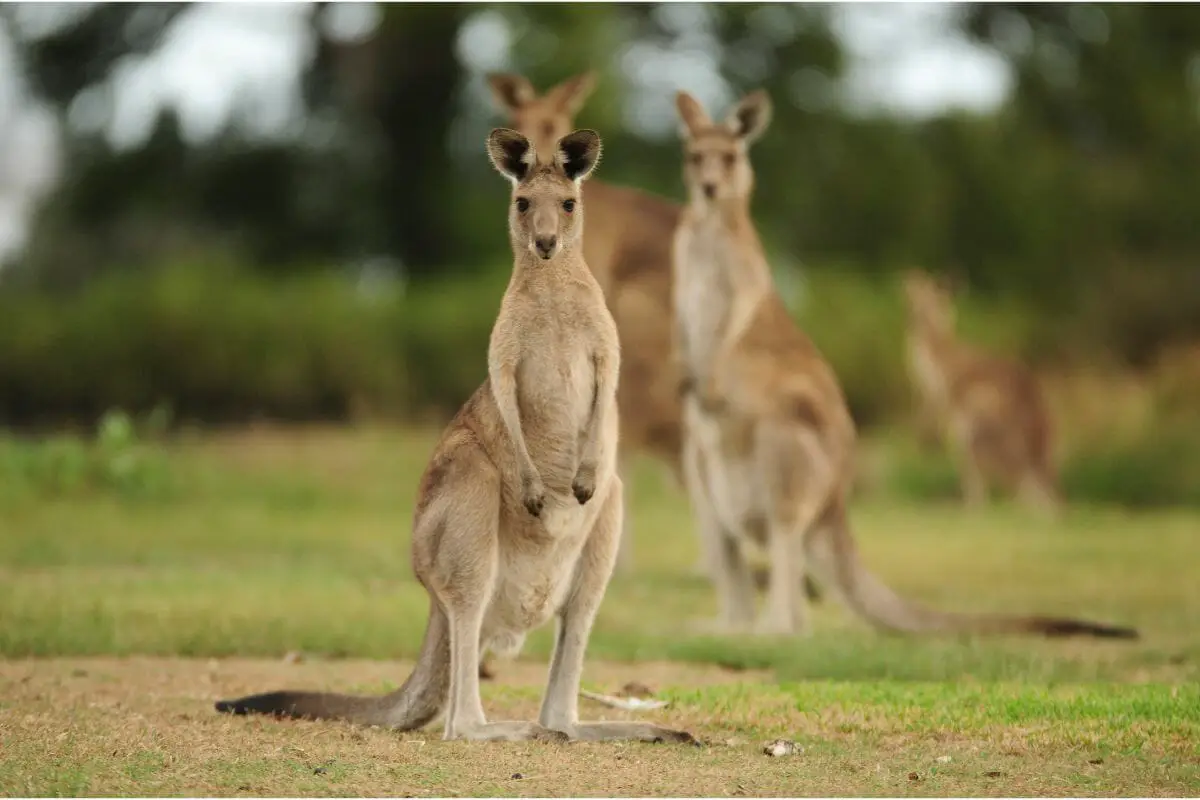
This might sound strange, but yes, kangaroos are afraid of the thudding sound made by their own feet as they hit the ground.
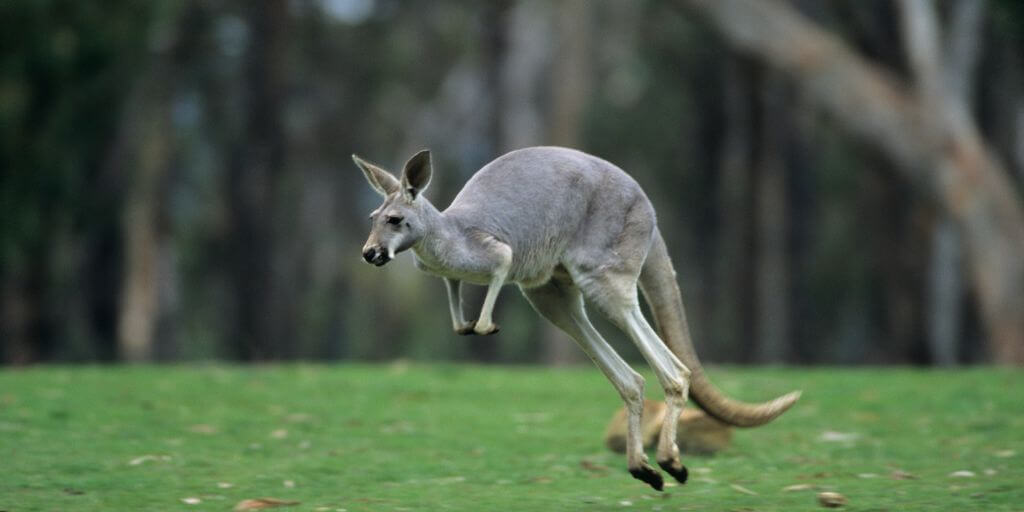
This is made even more strange by the fact that they use this hopping as their main source of movement, which you would think would make them used to the sound the process makes.
Why Does It Scare Them?
Of course, there is no way for scientists to accurately know what exactly elicits fear within the mind of a kangaroo, but many have speculated that the same thudding sound is used by kangaroos to alert one another of impending danger – or indeed the presence of predators.
This means that there must be an ingrained response within them that, upon hearing this warning sound, triggers and causes a fearful flight or fight sensation within them.
This is particularly interesting, and would be akin to driving in your car and constantly hearing the sound of car horns blaring out.
A sound that you would associate with the presence of danger, would then become something you constantly hear, and would leave the driver stressed and anxious when behind the wheel.
What Form Does This Fear Take?
When there is danger nearby, and a kangaroo sounds the alarm by stomping its feet on the ground, the other kangaroos who hear it tend to scatter and flee as fast as possible.
This can even occur somewhat reflexively, wherein they do not even check to see if there is a source of danger to be scared of, and simply flee as soon as the sound rings out.
How Powerful Is This Sound?
Most strangely of all, this sound even has the same effect when it isn’t coming from an actual kangaroo.
Scientists have used sound recordings of kangaroo foot thumping to see if they can tell the difference, and they found that it had the same effect – causing the kangaroos to flee in the same manner as they would if the sound was genuine.
This sound has been used by rural farmers in Australia as a means of scaring kangaroos away from their pastures and farmland.
This is because kangaroos can be disruptive to farmland, and can cause damage to fences, equipment, and sewn seeds in the ground.
For this reason, kangaroos are often seen as pests, but with this new tool at their disposal, it is much more likely to reduce the amount of unnecessary kangaroo culling in these rural areas.
Similarly, even the kangaroos that stick it out and stay behind to see what the danger is, they are still in a heightened state of alertness.
When kangaroos are in this state, they can not feed, as they are focused wholeheartedly on the supposed danger that is nearby – meaning they are less inclined to destroy crops.
What Predators Do Kangaroos Have?
This thudding sound certainly comes in handy for the kangaroos, and most likely evolved due to necessity above anything else.
On the outback there are numerous predators that kangaroos have to be aware of, and this defensive system they have suggests some experience and preparedness against attack.
Dingoes
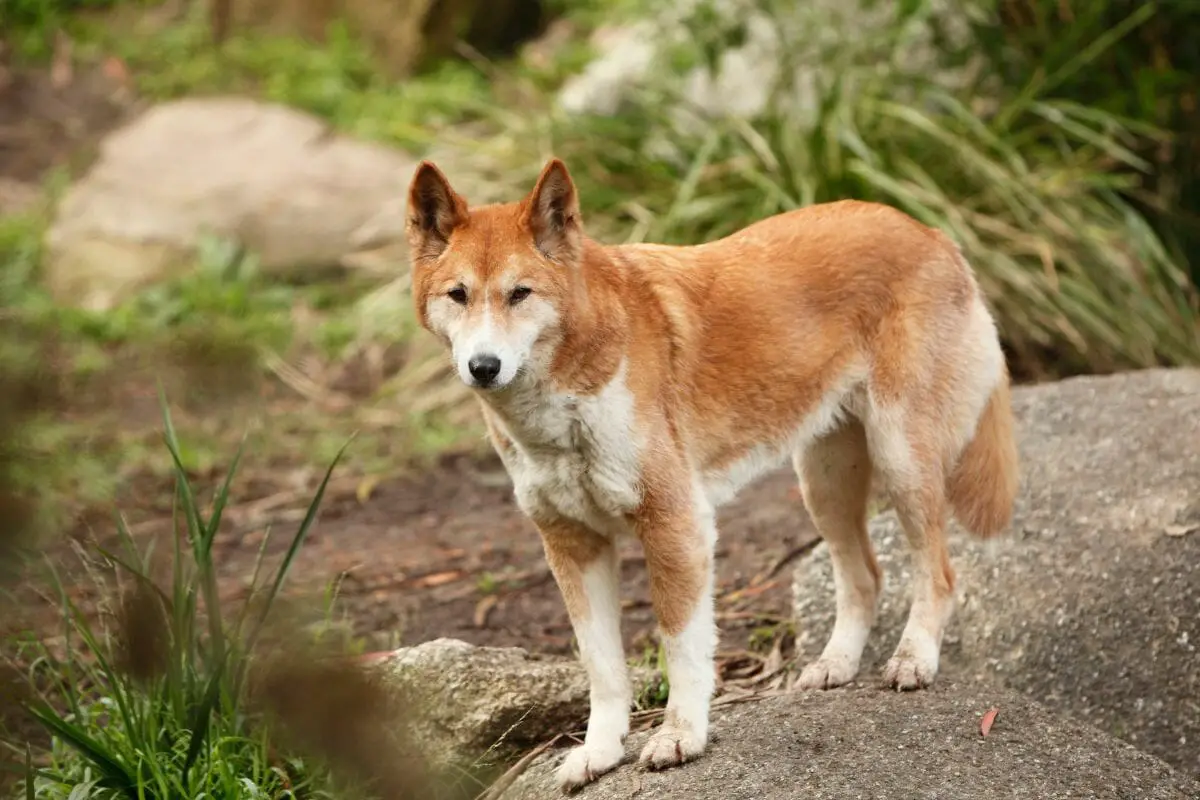
The greatest predator of kangaroos is the dingo. These are wild dogs that operate in packs, and are more than capable of cornering and outnumbering lone kangaroos.
However, with this way to signal each other, kangaroos have developed a new form of defense against something that would otherwise kill (see also: Do Opossums Kill Chickens?)them.
Wedge Tailed Eagle
A bird might sound like an unlikely predator for the kangaroo, but the wedge tailed eagle poses as much of a threat to their lives as the dingo.
These are large, strong birds of prey with strong wings, sharp claws, and pointed beaks – making them incredibly formidable.
Goannas
These large monitor lizards generally only feed on carrion, however they have been known to take down kangaroos when they are desperate enough and get the opportunity.
They are mainly threats to younger kangaroos who become separated but are more than capable of taking down adults if they get a lucky enough shot.
How Can Kangaroos Defend Themselves?
As well as their signaling method using their feet, kangaroos are also blessed with many physical attributes that come in handy during a confrontation.
Strong Muscles
I think by now we have all seen images and memes about strong kangaroos.
The males of the species are prone to developing intense musculature, which can come in handy when confronted by predators, humans, or overly keen household pets.
Powerful Kicks
Their legs and feet are their strongest muscles, and also their most effective weapons against predators.
They can use their legs and feet to deliver powerful kicks that are more than capable of causing broken bones and serious damage to predators who haven’t gotten the memo.
Sharp Claws
Perhaps surprisingly, they also have sharp claws that can become useful weapons when confronted with danger.
These are usually used for stripping plants of their tasty leaves, but they can also be repurposed as a series of (essentially) knives, making them dangerous to those seeking to do them harm.
Forceful Bites
They are also capable of delivering forceful bites, possessing strong teeth that can tear flesh and even break bone.
These might not be sharp – due to their nature as herbivores – but they have enough force to do some serious damage when the situation calls for it.
Aggression
Kangaroos also have an aggressive temperament that comes to the surface when confronted by potential danger.
While most kangaroos will flee at the sight of danger, the brave few – or the ones caught with no chance of escape – will use this aggression to give them an edge in a fight.
This could involve them intimidating their predators, suggesting they will have more trouble than they are worth, or it could be through using this aggression as a performance enhancer, making them run faster, be stronger, or fight with more ferocity.
Do Kangaroos Fight Or Flee?
Nearly all creatures operate according to a flight or fight response.
These are instilled through evolution, and are as natural as breathing – keeping various species alive for millions of years, and ensuring that the predators aren’t the only ones to survive.
When it comes to kangaroos, they are more inclined to flee from danger, but depending on the situation, they can and will fight – and are more than capable too.
Final Thoughts
And there we have it, everything you need to know about kangaroos, and the strange phobia they have towards their own thudding feet.
This is an unusual yet fascinating phenomenon, and suggests a lot about the ingrained behaviors that kangaroos have.
What’s more, it has led to safer handling of kangaroos in the wild, and has helped reduce the number of needless kangaroo deaths at the hand of exasperated farmers.
Can Recordings of Kangaroo Foot Thumps Be Used as Deterrents?
Yes, research shows that playing recordings of kangaroo foot thumps can be an effective deterrent. The sound startles kangaroos, causing them to flee, which helps prevent crop damage on farms and in agricultural areas by discouraging kangaroos from lingering nearby.
What Purpose Does This Fear Serve for Kangaroos?
This fear response is a survival mechanism that prompts kangaroos to react quickly to perceived threats. By responding instinctively to the sound, kangaroos increase their chances of escaping predators, helping to ensure their survival in the wild.
Do All Kangaroo Species Exhibit This Behavior?
Most kangaroo species use foot thumping as an alarm signal to alert each other of danger. However, the response to these thumps can vary across species, with some reacting more strongly to the sound than others.
How Does This Behavior Affect Human-Kangaroo Interactions?
Recognizing kangaroos’ sensitivity to foot thump sounds allows humans to develop non-lethal management methods. Using this understanding, people can reduce conflicts with kangaroos, helping to protect crops and manage kangaroo populations more humanely.
Hi, I’m Olivia Kepner and I am a zookeeper here in San Diego. Since I was a young girl I have always been fascinated by animals and species across the globe.
I used to beg my parents to take me to our local zoo every single weekend. Well, I say local – it was more like a two hour drive away. But they took me as much as they could, allowing me to fall in love with the animals again and again.
We use cookies to ensure that we give you the best experience on our website. If you continue to use this site we will assume that you are happy with it.