Some animals have a reputation for stubbornness, making life challenging for pet owners and animal handlers alike. Whether it’s a pet that resists training or livestock that refuses to follow commands, stubborn animals often test patience and ingenuity. From donkeys, known for their firm resistance, to certain dog breeds like bulldogs, this behavior can complicate even the simplest tasks.
Stubbornness in animals isn’t just frustrating; it often leads to unsafe situations, disrupted routines, and, at times, unnecessary stress for both the animal and owner. Understanding why certain animals resist guidance and knowing how to address these tendencies can bring harmony to these relationships.
In this guide, we’ll dive into what drives these animals’ behavior and provide practical solutions to ease interactions. With proven methods and insights, managing even the most headstrong companions can become achievable.
Nature’s Top Eleven Stubborn Animals
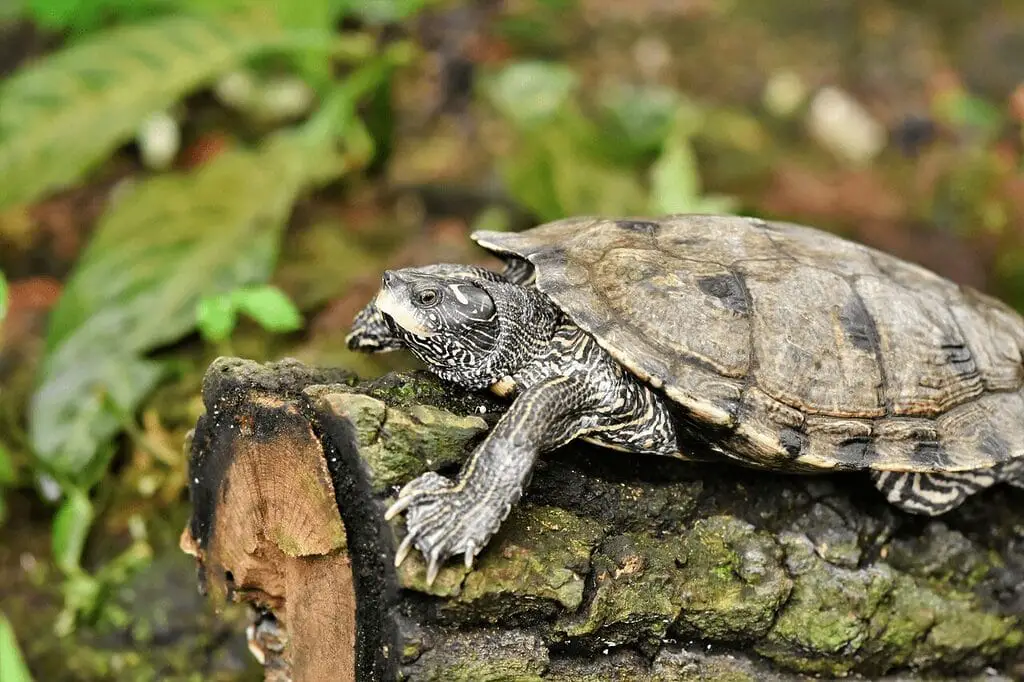
1 – The Resolute Tortoise
Tortoises demonstrate a slow yet determined approach to life, showcasing remarkable adaptability and resilience. Their deliberate pace, a result of a sturdy build and strong limbs, reflects a strategy rooted in the conservation of energy and a focus on longevity. With life spans often exceeding a century, tortoises exemplify endurance and steadfastness in the animal kingdom.
Their ability to withstand environmental changes is notable; tortoises have adapted to diverse ecosystems, from arid deserts to lush rainforests. The protective shell serves as both a fortress against predators and a means to conserve moisture in challenging habitats. This adaptability is crucial in times of scarcity, where their slow metabolism and ability to survive extended periods without sustenance become strategic advantages. The tortoise’s unhurried journey through life, marked by resilience and longevity, stands as a testament to the effectiveness of a patient and enduring approach in the face of evolutionary challenges.
2- The Stubborn Mule Deer
Mule deer exemplify resilient and adaptive qualities that aid their survival in diverse environments. Their ability to thrive in varied habitats, from mountainous terrain to arid plains, showcases a remarkable adaptability to different ecosystems. During mating seasons, male mule deer exhibit a fascinating behavior known as “rut,” marked by intense competition for mates. Bucks engage in vocalizations, posturing, and sometimes physical clashes, demonstrating their resilience in the pursuit of reproductive success.
In encounters with predators such as coyotes and mountain lions, mule deer demonstrate a combination of alertness, agility, and group strategies for defense. Their ability to detect threats from a distance and their swift, zigzag escape patterns contribute to evading predators. This adaptability in both mating rituals and predator interactions underscores the mule deer’s resilience, allowing it to navigate the challenges presented by its dynamic ecosystems.
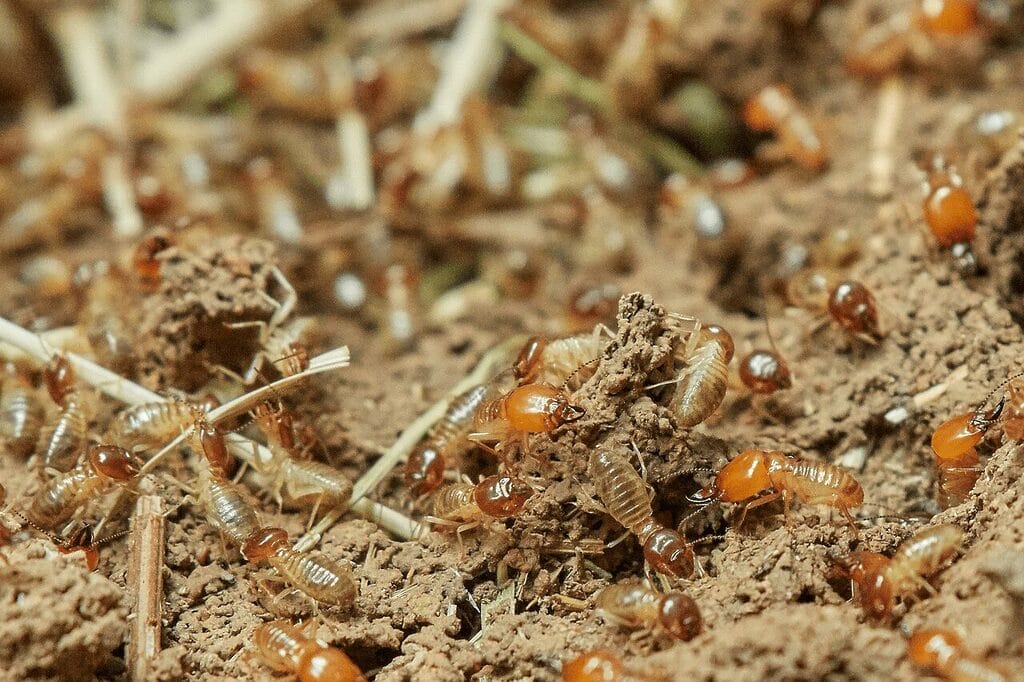
3 – The Persevering Termites
Termite colonies embody a collective and determined nature, showcasing remarkable tenacity in both building and defending their intricate mounds. Working collaboratively, termites construct towering mounds using a combination of saliva, soil, and excrement. This collective effort results in structures that house intricate tunnel systems, nurseries, and fungus gardens. The tenacity displayed in mound construction is matched by the vigor with which termites defend their colonies.
In the face of threats, such as predators or environmental changes, termite soldiers employ their strong jaws and chemical defenses to protect the colony. The architectural design of termite mounds serves as a defense mechanism, regulating temperature and humidity to create an inhospitable environment for invaders. The tenacious and collaborative nature of termite colonies, both in construction and defense, underscores the success of their cooperative strategies, enabling them to thrive and persist in various ecosystems worldwide.
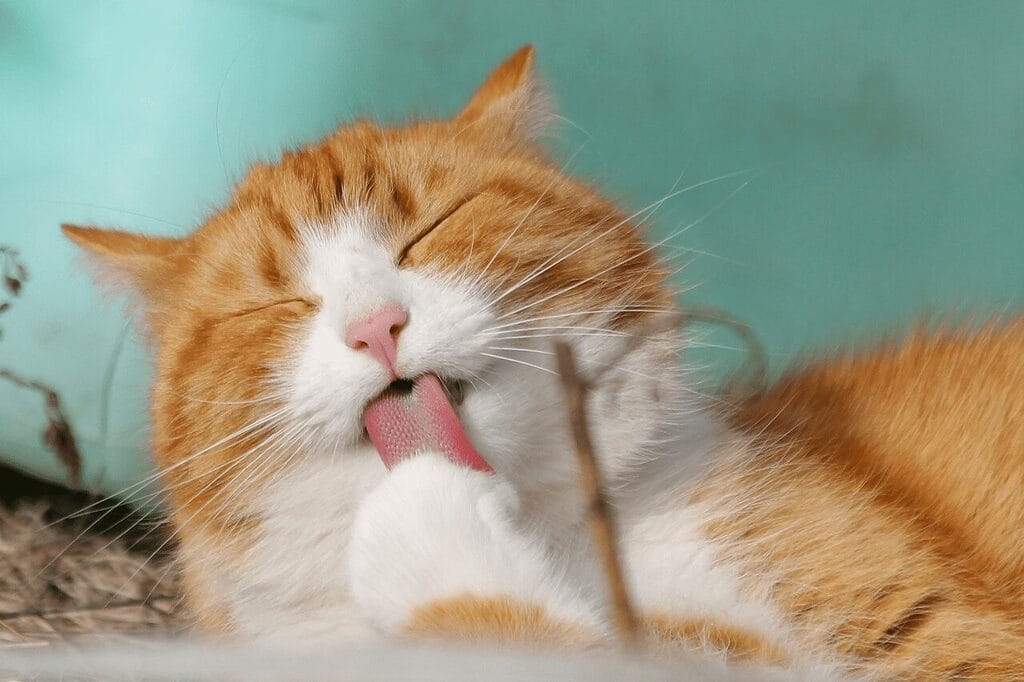
4 – The Tenacious House Cat
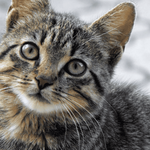
Domestic cats are known for their stubborn and independent nature, rooted in their evolutionary history as solitary hunters. Displaying territorial behaviors, cats establish and fiercely defend their domains, often marking with scent glands to assert ownership. Their independent streak is evident in their solitary excursions and the ability to find comfort in solitude. Despite domestication, cats retain strong hunting instincts, pouncing on toys or even insects with the same precision as their wild counterparts.
Resistant to strict training, they prefer interaction on their terms, emphasizing their autonomy. Cats’ stubborn insistence on routines and preferences, from sleeping spots to meal times, reflects their strong-willed nature. Despite this independence, cats often form deep bonds with their human companions, showcasing a nuanced balance between autonomy and connection that defines the intriguing and sometimes enigmatic behavior of these beloved feline companions.
5 – The Unyielding Cockroach
Cockroaches epitomize resilience and adaptability, boasting an evolutionary prowess that enables them to survive in diverse and extreme conditions. Their remarkable ability to withstand radiation, starvation, and exposure to pesticides underscores their resilience. Cockroaches can thrive in environments with limited resources, demonstrating an impressive capacity to adapt their feeding habits and lifestyle.
In ecosystems, cockroaches play crucial roles as decomposers, breaking down organic matter and recycling nutrients. Their resilience allows them to inhabit a variety of niches, from sewers to kitchens, showcasing their adaptability to human-altered environments.
Despite their reputation as pests, cockroaches contribute to ecological balance by aiding in the decomposition process. Their combination of resilience and adaptability has enabled these ancient insects to persist for millions of years, showcasing their ability to thrive in the face of adversity and environmental changes.
6- Bulls
Bulls have a reputation for stubbornness, linked to their physical strength and dominant behavior. Their solid build and territorial instincts often make them resistant to external control.
Culturally, bulls symbolize perseverance, as reflected in traditions and the zodiac sign Taurus. When bulls display aggression, it typically results from protective instincts, especially toward their herd.
This behavior stems more from a natural need to guard territory than from obstinacy. Handling bulls requires patience, as respectful management reduces stress and encourages cooperation. Their behavior emphasizes the importance of understanding animal instincts for effective management.
7- Cows
Cows may seem stubborn, but their behavior often reflects previous experiences. When cows encounter stressful or traumatic situations, they develop behavioral patterns resembling post-traumatic responses.
These animals have distinct personalities—some are more curious, while others lean toward timidity. A cow that fears a new environment or handler may resist interaction, not out of defiance, but from anxiety.
Gentle and consistent treatment improves their response, creating a calm setting that encourages positive behavior. Recognizing individual temperaments helps handlers adjust techniques to each cow’s needs, fostering smoother interactions.
8- Donkeys
Donkeys are often misunderstood as stubborn, but their cautious nature reflects deep self-preservation instincts. Unlike horses, they freeze rather than flee when faced with uncertainty, which many interpret as obstinance.
Their behavior reflects intelligence and careful decision-making, especially in unfamiliar or potentially dangerous situations. Building trust with a donkey involves patience and clear communication.
These animals remember experiences well and respond positively when handlers provide consistency and care. Understanding this mindset allows handlers to develop better strategies, leading to improved cooperation.
9- Badgers
Badgers display remarkable tenacity, which is sometimes mistaken for stubbornness. Known for their strength and persistence, badgers fiercely defend their territory and show aggressive behavior when threatened.
Their nocturnal lifestyle and solitary habits make them challenging to encounter, adding to their enigmatic reputation. Despite their tough demeanor, badgers contribute to ecosystems by controlling rodent populations and digging complex burrows.
Respecting their need for space helps avoid conflicts. Recognizing their value to biodiversity encourages better wildlife management practices, promoting coexistence between humans and these resilient creatures.
10- Camels
Camels are often labeled stubborn due to their slow, measured movements, but this behavior serves as an energy-saving strategy. In arid environments, conserving water and energy ensures survival, making it essential for camels to move only when necessary.
Their resistance to rushing or overexertion reflects physiological adaptations that allow them to thrive under extreme conditions. Social dynamics within herds also play a role, as dominance structures influence how camels respond to humans.
Handlers who understand these survival mechanisms can develop techniques that align with the camel’s instincts, encouraging smoother cooperation.
11- Elephants
Elephants’ complex social behavior can appear stubborn, but it reflects intelligence and strong emotional connections. Their excellent memory allows them to recall positive and negative experiences, influencing future actions.
They may resist activities they associate with harm or discomfort, especially if they perceive a threat to their herd. Group decisions in elephant herds often follow a matriarchal structure, leading to collective actions.
Acknowledging their emotional intelligence helps in building trust with these animals. Compassionate and informed handling supports better relationships, improving interactions with both humans and their environment.
Stubbornness in the Animal Kingdom: A Survival Strategy
Evolutionary Advantages of Stubborn Behaviors
Stubbornness, when appropriately balanced with adaptability, emerges as a crucial factor contributing to the survival and adaptation of various species. In the natural world, persistence in securing resources, defending territory, or navigating challenging environments often enhances an organism’s chances of survival. Tenacity enables species to endure adverse conditions, persist through periods of scarcity, and withstand competition, fostering resilience in the face of evolutionary pressures.
However, a delicate equilibrium exists between stubbornness and flexibility. Species displaying excessive rigidity may struggle to adapt to dynamic environments or novel threats, leading to reduced survival rates. Conversely, those that embrace a degree of flexibility can adjust behavior, morphology, or ecological strategies to changing circumstances, enhancing long-term viability.
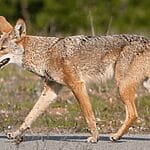
Examples abound in the animal kingdom. Species like the honey badger exhibit unwavering determination in the face of threats, while others, like the coyote, exhibit a remarkable ability to adapt their behavior and diet to shifting ecosystems. Striking this balance allows organisms to persist through challenges, underscoring the intricate interplay between stubbornness and adaptability as essential components of evolutionary success.
Conclusion
Animals with stubborn tendencies often challenge their handlers, from donkeys and camels to house cats and bulls. Each species expresses these behaviors differently, whether rooted in self-preservation, independence, or dominance. While frustrating, this persistence serves as a natural survival strategy.
Understanding the underlying reasons for stubborn behavior can reduce conflict. Many animals resist commands out of fear, past trauma, or instinctive caution. Adapting handling techniques to align with these instincts fosters cooperation and strengthens relationships between humans and animals.
Ultimately, stubbornness plays a critical role in survival. Animals benefit from a blend of tenacity and adaptability, enabling them to secure resources, evade predators, and navigate harsh environments. Learning to work with, rather than against, these tendencies leads to smoother interactions and long-term coexistence.
Hi, I’m Olivia Kepner and I am a zookeeper here in San Diego. Since I was a young girl I have always been fascinated by animals and species across the globe.
I used to beg my parents to take me to our local zoo every single weekend. Well, I say local – it was more like a two hour drive away. But they took me as much as they could, allowing me to fall in love with the animals again and again.
We use cookies to ensure that we give you the best experience on our website. If you continue to use this site we will assume that you are happy with it.