From buzzing insects to mischievous mammals, the animal kingdom is home to many creatures that can be downright irritating to humans. These “most annoying animals” are known for their bothersome behaviors, destructive habits, and potential health risks. They invade our homes, damage our property, and disrupt our daily lives in numerous ways.
In this article, we’ll take a closer look at nine of the most annoying animals from around the world and explore what makes them such a nuisance.
Quick Answer: Mosquitoes, flies, untrained dogs, pigeons, seagulls, monkeys, ants, stink bugs, and hyenas are among the most annoying animals due to their irritating behaviors and potential risks.
Key Takeaways:
Mosquitoes, flies, and ants are tiny insects that annoy with constant buzzing, itchy bites, unsanitary habits, and potential to spread diseases.
Untrained dogs, pigeons, seagulls, and monkeys exhibit bothersome behaviors like barking, stealing food, making messes, and aggressive interactions with humans.
Stink bugs and hyenas are pests that invade homes, damage crops, emit unpleasant odors, and come into conflict with humans over resources.
Top 9 Most Annoying Animals In The World
From tiny insects to large mammals, the animal kingdom is full of creatures that can be incredibly annoying to humans. Whether it’s their irritating behaviors, the diseases they carry, or the damage they cause to our homes and crops, these animals have earned their spot on the list of the most annoying species in the world.
1. Mosquitoes
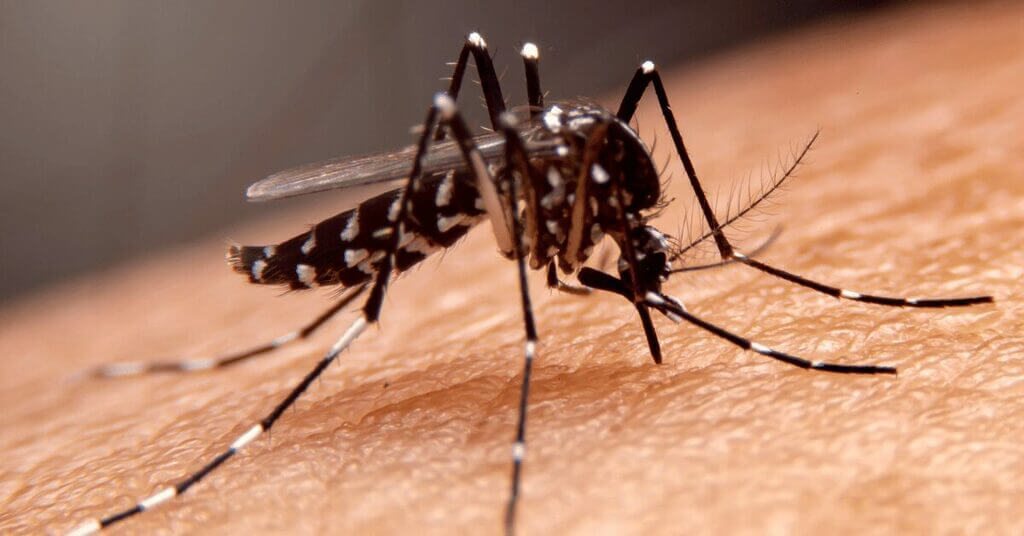
Mosquitoes are arguably the most annoying animals on the planet, and for good reason. These tiny insects are notorious for their irritating buzz, itchy bites, and the diseases they can transmit, making them a major nuisance in many parts of the world.
Why Are Mosquitoes So Annoying?
Mosquitoes are annoying for several reasons. First, their constant buzzing can be incredibly irritating, especially when you’re trying to sleep or enjoy a peaceful moment outdoors. Second, their bites can cause intense itching and discomfort, leaving behind red, swollen bumps that can last for days. Finally, mosquitoes are known to disrupt outdoor activities and make it difficult to enjoy time spent in nature.
Health Risks Associated with Mosquitoes
In addition to being annoying, mosquitoes also pose a significant health risk to humans. These insects are known to transmit a variety of dangerous diseases, including malaria, dengue fever, Zika virus, West Nile virus, and chikungunya.
According to the World Health Organization, mosquito-borne diseases account for millions of cases and hundreds of thousands of deaths each year, making them a major global health concern.
To reduce the risk of mosquito-borne illnesses, it’s important to take steps to prevent bites, such as using insect repellent, wearing protective clothing, and eliminating standing water where mosquitoes can breed.
2. Flies
Flies are another common household pest that can be incredibly annoying. These insects are known for their constant buzzing, unsanitary habits, and the potential to spread diseases, making them a nuisance in both indoor and outdoor settings.
Types of Annoying Flies
There are several types of flies that are particularly annoying to humans. Houseflies are the most common type of fly found in homes and are known for their quick, erratic movements and tendency to land on food and surfaces.
Fruit flies are another common type of fly that can infest kitchens and are attracted to ripe fruits and vegetables. Drain flies, also known as moth flies, are often found in bathrooms and are attracted to damp, dark areas. Finally, horseflies are larger than other types of flies and are known for their painful bites and persistent behavior.
Why Are Flies So Bothersome?
Flies are bothersome for several reasons. First, their constant buzzing can be incredibly irritating, especially when they’re flying around your head or landing on your food.
Second, flies are known to land on unsanitary surfaces, such as trash and feces, and can transfer harmful bacteria and diseases to food and other surfaces. Finally, flies can be difficult to control, as they reproduce quickly and can infest homes and businesses in large numbers.
3. Untrained Domesticated Dogs
While dogs are often considered man’s best friend, untrained domesticated dogs can be incredibly annoying and even dangerous. These animals are known for their excessive barking, jumping on people, and destructive chewing, making them a nuisance to both their owners and others around them.
Common Annoying Behaviors of Untrained Dogs
Untrained dogs can exhibit a variety of annoying behaviors, including excessive barking, jumping on people, destructive chewing, digging, and begging for food.
These behaviors can be frustrating for dog owners and can also impact the quality of life for those around them, such as neighbors who have to listen to constant barking or visitors who are jumped on by an overly enthusiastic dog.
The Importance of Dog Training
To prevent annoying behaviors in dogs, it’s important to invest in proper training and socialization from a young age. Training can help dogs learn basic obedience skills, such as sitting, staying, and coming when called, which can make them easier to manage and less likely to engage in annoying behaviors.
Training can also help improve communication between dogs and their owners, reducing stress and frustration for both parties. There are many different training methods available, including positive reinforcement, clicker training, and obedience classes, so it’s important to find a method that works best for your dog and your lifestyle.
4. Pigeons
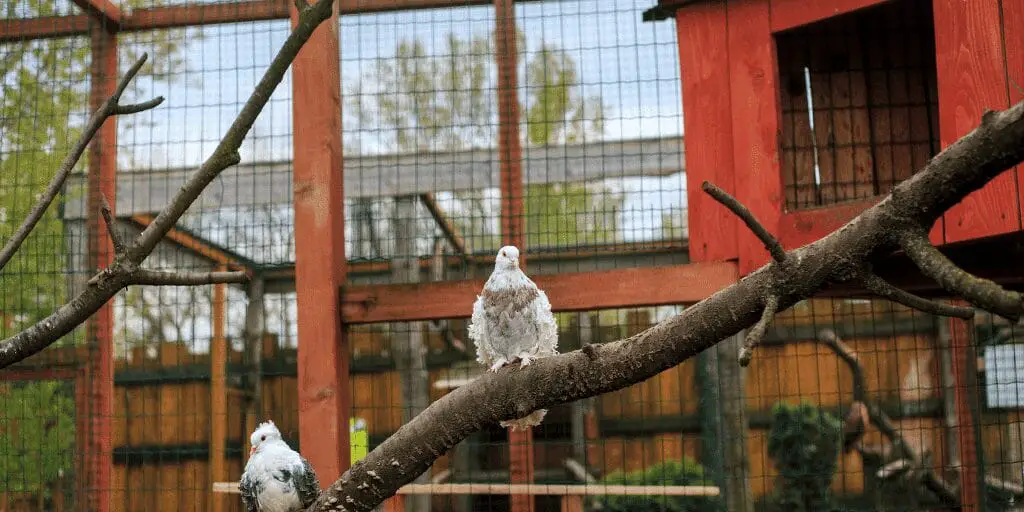
Pigeons are a common sight in many urban areas, but these birds can be incredibly annoying, especially when they congregate in large numbers. Pigeons are known for their constant cooing, messy droppings, and the potential to spread diseases, making them a nuisance to city dwellers and a challenge for urban planners.
Why Are Pigeons Considered Annoying?
Pigeons are considered annoying for several reasons. First, their constant cooing can be incredibly irritating, especially in the early morning hours when people are trying to sleep.
Second, pigeons are known for their messy droppings, which can damage buildings and monuments and create unsanitary conditions in public spaces. Finally, pigeons are often referred to as “rats with wings” due to their association with disease transmission and general perception as a nuisance.
Pigeon-Related Problems in Urban Areas
In addition to being annoying, pigeons can also cause significant problems in urban areas. Their droppings can damage buildings and monuments, leading to costly repairs and maintenance. Pigeons can also spread diseases, such as salmonella and E. coli, through their droppings, which can be a health risk for humans.
Finally, large populations of pigeons can be difficult to manage, as they reproduce quickly and can adapt to a variety of urban environments. Cities often employ a range of control measures, such as netting, spikes, and birth control, to manage pigeon populations, but these efforts can be costly and time-consuming.
5. Seagulls
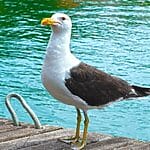
Seagulls are a common sight near coastal areas and water bodies, but these birds can be incredibly annoying, especially when they steal food from beachgoers and outdoor diners. Seagulls are known for their loud squawking, aggressive behavior, and messy droppings, making them a nuisance to both locals and tourists alike.
Annoying Behaviors of Seagulls
Seagulls are known for a variety of annoying behaviors, including loud and persistent squawking, stealing food from beachgoers and outdoor diners, and creating messes with their droppings. Seagulls are also highly adaptable and have learned to thrive in human environments, which can make them more bold and aggressive in their interactions with people.
Seagull Aggression and Boldness
In recent years, seagulls have become increasingly bold and aggressive in their interactions with humans, especially in urban and tourist areas. Seagulls have been known to swoop down on people to steal food, attack humans who come too close to their nests, and exhibit a general lack of fear towards humans.
This behavior is often attributed to the availability of human food sources, such as trash and discarded food, which can attract large numbers of seagulls to urban areas. As seagulls become more habituated to human presence, they may become more aggressive in their attempts to obtain food.
6. Monkeys
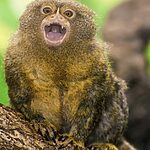
Monkeys are intelligent and social animals, but they can also be incredibly annoying, especially when they live in close proximity to humans. Monkeys are known for their mischievous behavior, potential to spread diseases, and conflicts with humans, making them a challenge to manage in many parts of the world.
Vervet Monkeys, South Africa
Vervet monkeys are a common species found in South Africa, and they are known for their bold and annoying behavior. These monkeys are notorious for stealing food from homes and tourists, destroying crops, and causing general chaos in urban and agricultural areas. Vervet monkeys are highly intelligent and adaptable, which can make them difficult to control and manage.
Vervet Monkey Behaviors and Habits
Vervet monkeys are known for their intelligence, adaptability, and social nature, which allow them to thrive in human-dominated landscapes.
These monkeys are omnivores and have a varied diet that includes fruits, leaves, insects, and even small mammals. They are also skilled foragers and have learned to exploit human food sources, such as trash cans and outdoor dining areas. Vervet monkeys live in social groups and have a complex hierarchy, with dominant males and females leading the troop.
Macaque Monkeys
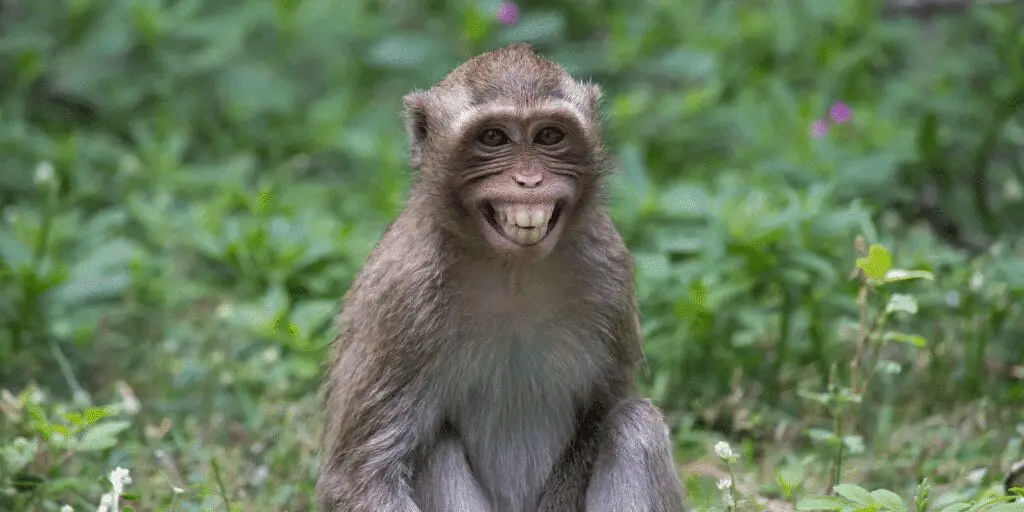
Macaque monkeys are another species known for their annoying behavior, particularly in Asian countries where they are commonly found. These monkeys are known for their aggressive behavior towards humans, stealing food and belongings, and potential to spread diseases.
Macaque monkeys are also culturally and religiously significant in many parts of Asia, which can make managing their populations a challenge.
Macaque Monkey Interactions with Humans
Macaque monkeys are known for their bold and aggressive interactions with humans, particularly in urban and tourist areas. These monkeys have been known to invade homes and tourist sites, approach humans for food, and even engage in aggressive encounters with people who come too close.
Human behavior, such as feeding monkeys or leaving food unattended, can exacerbate these problems and lead to larger populations of macaques in urban areas.
Monkey-Related Issues in Urban and Tourist Areas
In addition to being annoying, monkeys can also cause significant problems in urban and tourist areas. Monkeys are known to damage property, steal food and belongings, and spread diseases to humans, making them a challenge for local authorities and tourism industries to manage.
In many cases, monkey populations have become so large and problematic that officials have had to resort to culling or relocation programs to control their numbers. However, these efforts can be controversial and may not address the underlying issues that attract monkeys to human areas in the first place, such as the availability of food and shelter.
7. Ants
Ants are small but mighty insects that can be incredibly annoying, especially when they invade homes and gardens in large numbers. Ants are known for their ability to form large colonies, their attraction to food sources, and the damage they can cause to property and plants, making them a common pest in many parts of the world.
Types of Ants That Are Considered Annoying
There are several types of ants that are particularly annoying to humans, each with their own unique characteristics and habits. Fire ants are known for their painful stings and aggressive behavior, and can quickly take over yards and outdoor areas.
Carpenter ants, on the other hand, are known for their ability to damage wooden structures by tunneling through them to create nests. Pharaoh ants are another common pest that can invade homes and hospitals, and are known for their ability to spread diseases.
Ant Infestations and Their Impact
Ant infestations can be a major problem for homeowners and gardeners, as these insects can quickly take over an area and cause significant damage.
Signs of an ant infestation may include the presence of ant trails, nests, or large numbers of ants in a particular area. Ants can damage property by tunneling through wood, soil, and other materials, and can also harm plants by feeding on them or farming aphids that can spread diseases.
Some species of ants, such as fire ants, can also pose health risks to humans and pets due to their painful stings and aggressive behavior.
Controlling ant populations can be a challenge, as these insects are highly adaptable and can quickly rebound after treatment. Common methods of ant control include the use of insecticides, baits, and physical barriers, but the most effective approach may vary depending on the species of ant and the severity of the infestation.
8. Stink Bugs
Stink bugs are a common pest that can be incredibly annoying, especially when they invade homes and gardens in large numbers. These insects are known for their unpleasant odor, their tendency to congregate in large groups, and the damage they can cause to plants and crops, making them a major nuisance to homeowners and gardeners alike.
Why Are Stink Bugs Annoying?
Stink bugs are considered annoying for several reasons. First and foremost, they emit a strong, unpleasant odor when they are disturbed or crushed, which can linger for hours and be difficult to remove.
Stink bugs are also known to seek shelter in homes during the colder months, where they can congregate in large numbers and become a nuisance. Finally, stink bugs can damage plants and crops by feeding on them, leaving behind discolored or misshapen fruits and vegetables.
Stink Bug Invasions in Homes and Gardens
Stink bug invasions can be a major problem for homeowners and gardeners, as these insects can quickly take over an area and cause significant damage. Stink bugs are attracted to warm, well-lit areas, and may enter homes through small cracks and crevices in search of shelter.
Once inside, they can be difficult to eliminate, as they tend to hide in hard-to-reach places and can quickly reproduce. In gardens, stink bugs can cause significant damage to plants by feeding on them, leaving behind discolored or deformed leaves and fruits. Controlling stink bug populations can be a challenge, as these insects are highly adaptable and can quickly rebound after treatment.
Common methods of stink bug control include the use of insecticides, physical barriers, and natural predators, but the most effective approach may vary depending on the severity of the infestation and the specific needs of the homeowner or gardener.
9. Hyenas
Hyenas are large, carnivorous mammals that are found in many parts of Africa and the Middle East. While they may be fascinating animals in their own right, hyenas can also be incredibly annoying, especially when they come into conflict with humans.
Annoying Behaviors of Hyenas
Hyenas are known for several annoying behaviors that can make them a nuisance to humans. One of the most notable is their eerie, laughter-like vocalizations, which can be unsettling to hear, especially at night.
Hyenas are also known for their scavenging habits, which can bring them into conflict with humans who may view them as a threat to their livestock or property. Additionally, hyenas have a reputation for being bold and aggressive, which can make them difficult to deter or control.
Hyena-Human Conflicts
Conflicts between hyenas and humans are a common problem in many parts of Africa, particularly in areas where human settlements overlap with hyena habitats. Hyenas are known to raid livestock pens and scavenge in human settlements, which can lead to significant economic losses for farmers and herders. In some cases, hyenas may even attack humans, particularly if they feel threatened or are protecting their young.
To mitigate these conflicts, some communities have implemented measures such as fencing, guard dogs, and targeted hunting of problem animals.
However, these solutions can be controversial and may not address the underlying issues that lead to hyena-human conflicts, such as habitat loss and human encroachment on hyena territories. As with many human-wildlife conflicts, finding a balance between the needs of humans and the conservation of hyenas and their habitats is an ongoing challenge.
Frequently Asked Questions
Can annoying animals be dangerous to humans?
Yes, some annoying animals, such as mosquitoes and monkeys, can pose health risks by transmitting diseases to humans.
How can I keep annoying animals away from my home?
Keeping your home clean, sealing entry points, and using repellents can help deter annoying animals like ants and stink bugs.
Are there any humane ways to deal with annoying animals?
Yes, humane methods such as relocation, habitat modification, and deterrents can be effective in managing annoying animal populations.
Why do some animals exhibit annoying behaviors?
Many annoying behaviors, such as stealing food or invading homes, are a result of animals adapting to human presence and taking advantage of available resources.
Can annoying animals serve any beneficial purposes in the ecosystem?
Despite their nuisance to humans, many annoying animals play important roles in their ecosystems, such as scavenging, pollinating, or serving as prey for other species.
We use cookies to ensure that we give you the best experience on our website. If you continue to use this site we will assume that you are happy with it.