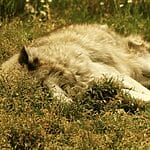
Many people admire wolves for their power and beauty, yet few know about the rarest species among them. When it comes to conservation, these unique wolves often struggle to survive against a backdrop of habitat loss and declining populations.
Identifying the rarest wolf species goes beyond just statistics; it sheds light on pressing conservation challenges that affect not only these animals but entire ecosystems.
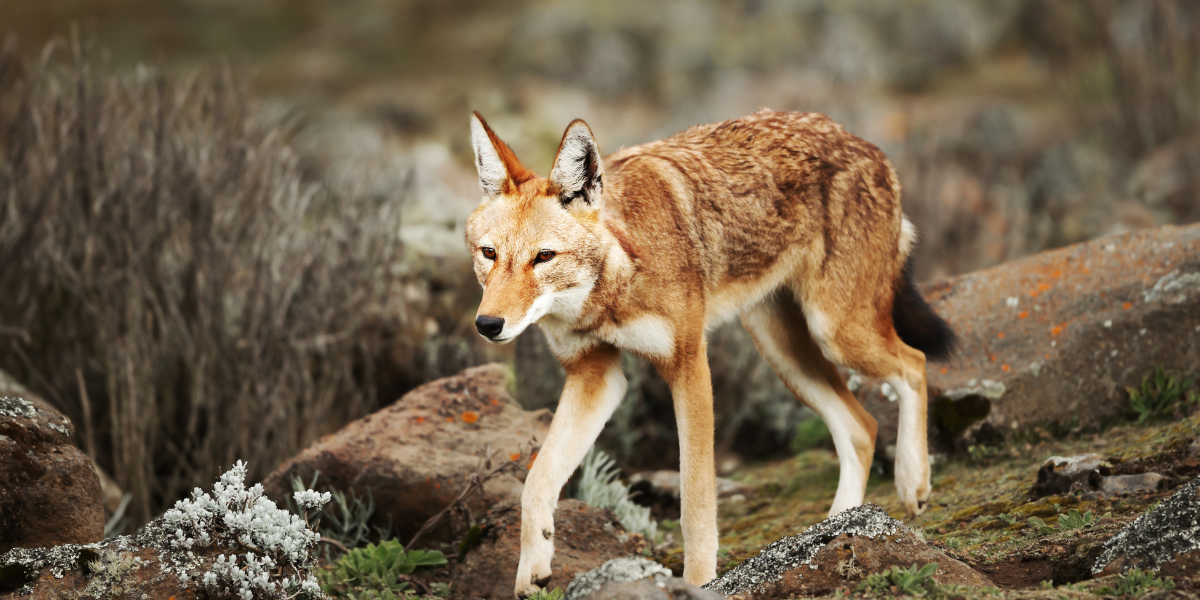
One standout fact: the Ethiopian wolf, known for its striking red fur, is critically endangered, with fewer than 500 left in the wild. Their limited range and human-wildlife conflicts have put them at severe risk, creating a clear need for awareness and action.
In this guide, we’ll reveal which species is the rarest, explore what makes them so vulnerable, and discuss why their survival matters for our planet.
8 Rarest Wolf Species – (With Pictures & Conservation Status)
Mexican Gray wolves
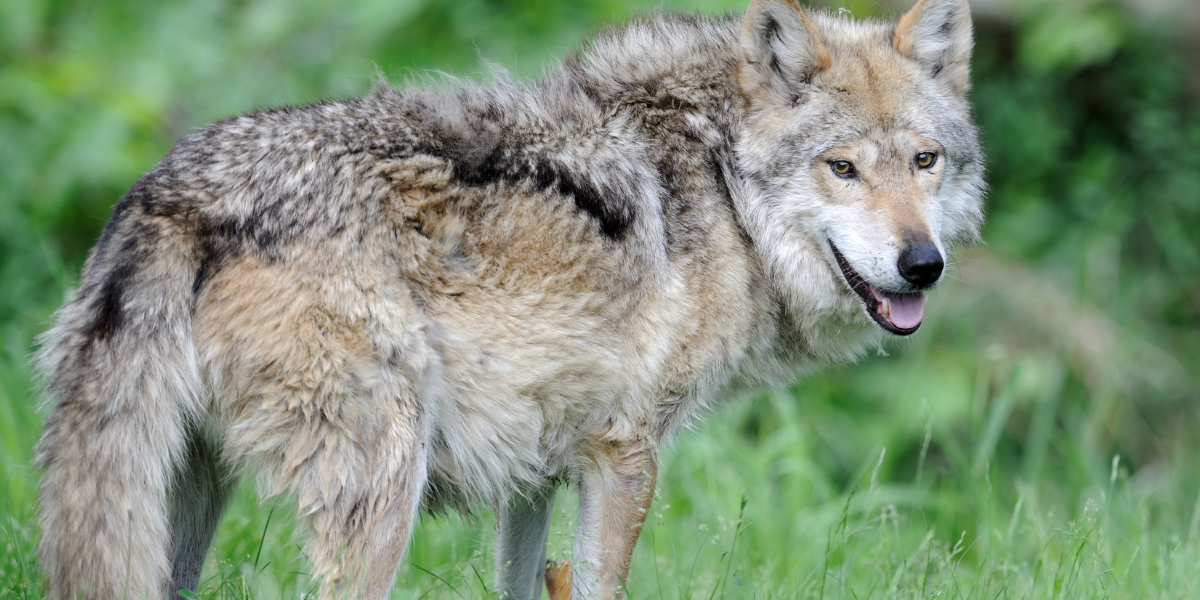
The Mexican Wolf (Canis lupus baileyi) is one of the smallest wolf species in north america and northern Mexico. This subspecies has faced a severe decline in population over the years.
The main factors that led this subspecies nearer to extinction are habitat loss, illegal killing, and hunting.
These wolves have suffered from habitat fragmentation due to human activities, leading to reduced territory and limited prey availability.
Presently, there are 300 Mexican wolves in the captive breeding center in the U.S., and nearly 60 are left in the wild where they are referred to as the “nonessential experimental population.”
It is marked as a critically endangered species, and the conservation programs which were planned for restoring this species are facing objections.
Moreover, this species faced strong hatred from US Fish and Wildlife Service in 2018, as they had legalized killing them.
Nearly 450 to 500 Ethiopian wolves (Canis simensis) are present in Africa. But the problem is that this number of Ethiopian wolves is distributed in six fragmented population groups.
Some with less than 25 wolves, are dispersed a hundred kilometers away from each other. So only a few of them can travel from one pack to another,
At the same time, the killing of livestock is ongoing, low levels of prey, diseases outbreak, and increasing human activities are also affecting the Ethiopian wolf population.
But in all these circumstances the good thing is the huge ratio of their population is secured in the protected area. And efforts are going on to develop the national parks, so this wolf subspecies can be safe from more damage.
Darwin’s Fox
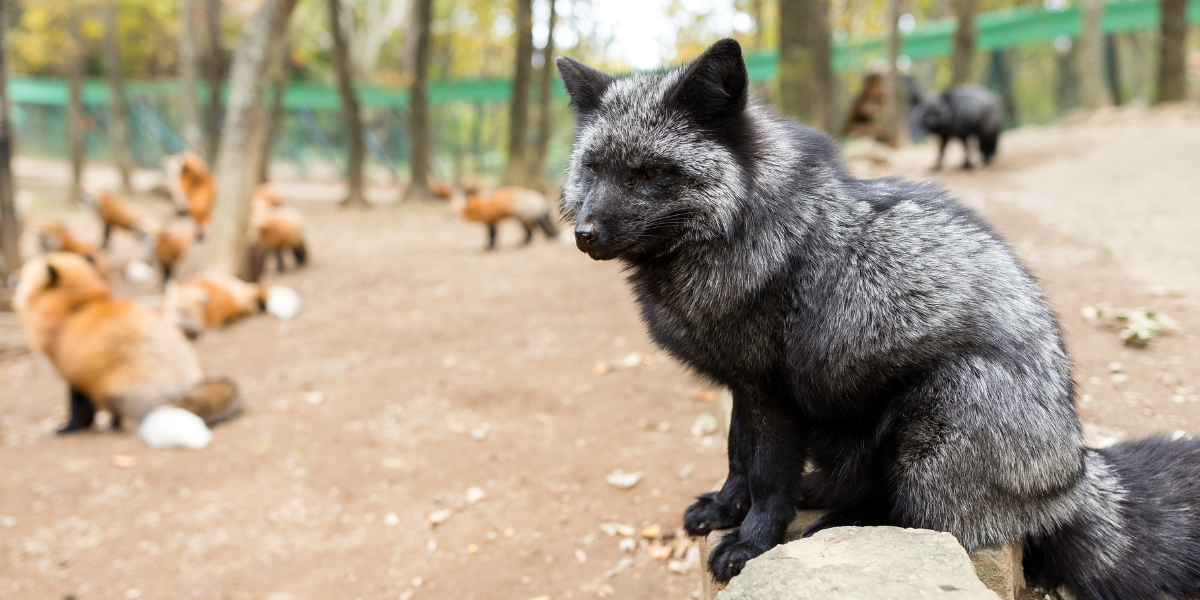
This canine belongs to the fox family and is amongst the most endangered species. The Darwin’s Fox (Lycalopex fulvipes) is a critically endangered species endemic to the Chiloé Islands of Chile.
The population of the Darwin’s fox on the island, specifically in the two national parks of the island is safest, but outside of it, they are going through habitat loss and poaching.
As of the current conservation status, it is estimated that fewer than 250 foxes remain in the wild, making it one of the rarest canids in the world.
Island Fox
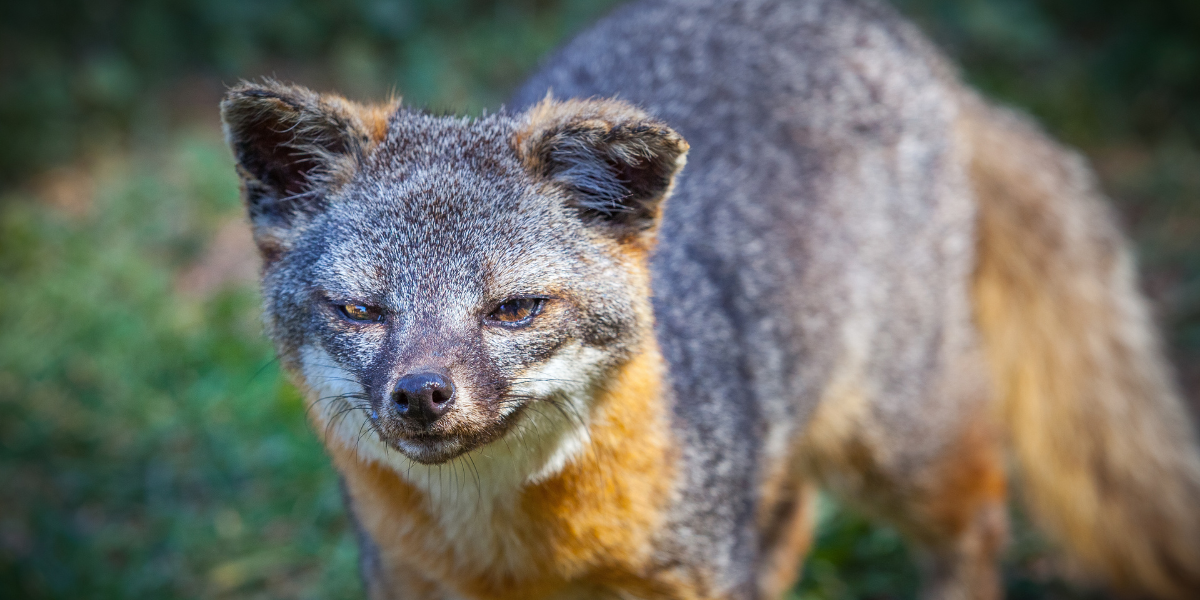
This canid is not only the sole animal but actually, is six various species that inhabited on its own separate island, away from the California coast.
These unique subspecies of foxes were badly affected by infectious diseases, especially the foxes of Catalina Island.
Additionally, the invasion by the golden eagles (Aquila chrysaetos), finds out medium or small-sized canines as their potential prey.
These giant eagles are hardly seen on the Californian island, but in 1960 the decline of the bald eagle (Haliaeetus leucocephalus) triggered them to migrate, and colonize.
In the 1990s, it resulted in the zero population of the four subspecies of the fox. Then in 2000, the San Miguel Island fox and the Santa Rosa Island fox, species’ populations declined, and only 15 were left from each species.
Moreover, only 80 Santa Cruz island fox species and 103 Santa Catalina Island foxes were left. But this increasing number of declining ratio of canid species has boosted conservation efforts.
The result of these efforts appeared in 2011, the number of subspecies increased by hundreds and the other two subspecies (Santa Cruz and Santa Catalina) reached nearly 1400 to 1500.
Himalayan Wolf
The Himalayan wolf (Canis lupus chanco) inhabits high-altitude areas across Nepal, India, and Tibet. Adapted to frigid mountainous regions, it features thick, reddish-tinted fur for insulation.
The Himalayan wolf stands out genetically from other wolves, sparking ongoing debates about its classification as a distinct species. This rare wolf mainly hunts blue sheep, Tibetan gazelles, and other animals suited to alpine conditions.
Due to its limited range, habitat loss, and human interference, its survival is under threat, calling for intensified conservation measures to protect its population and maintain biodiversity in its fragile ecosystem.
Arabian Wolf
Native to the Arabian Peninsula, the Arabian wolf (Canis lupus arabs) thrives in desert environments across countries like Saudi Arabia, Oman, and Yemen.
Smaller and more slender than other wolves, it has adapted to arid climates with a lean build, elongated legs, and large ears that help manage body heat. Unlike larger packs seen in other wolf populations, the Arabian wolf often travels in pairs or small groups, hunting hares, rodents, and scavenging for carrion.
Population declines, driven by habitat encroachment and persecution, make conservation efforts vital for its continued survival amid intensifying human-wildlife conflicts.
Mackenzie River Wolf
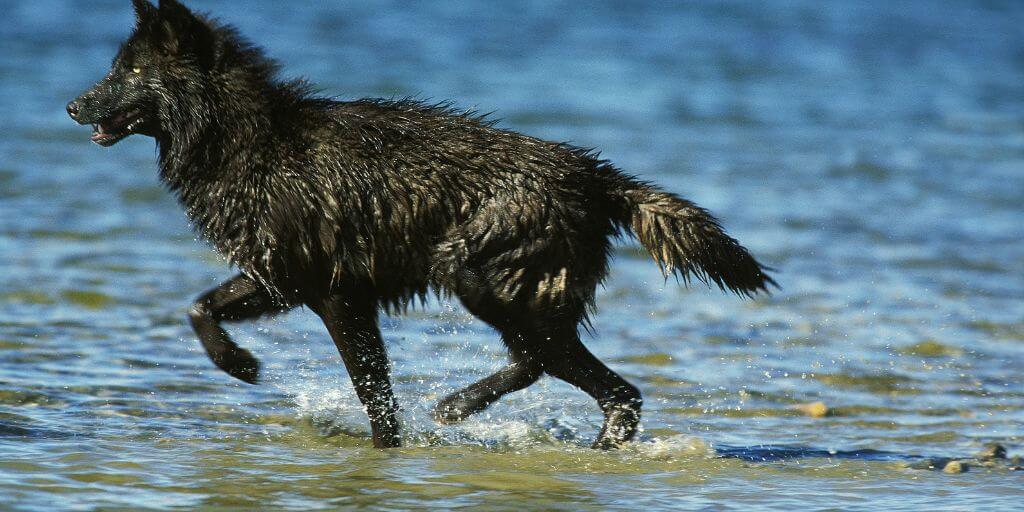
The Mackenzie River wolf (Canis lupus mackenzii), also known as the Mackenzie Valley wolf, resides in western Canada and Alaska. Adapted to cold climates, this large wolf sports thick fur and powerful limbs, ideal for navigating snowy terrain.
Its primary diet includes elk, caribou, deer, and bison, allowing it to act as an apex predator. Known for its positive impact on ecosystems through reintroduction programs, such as those in Yellowstone National Park, the Mackenzie River wolf helps balance prey populations.
Although its population remains stable in remote areas, habitat changes and human activities continue to pose risks.
Conclusion
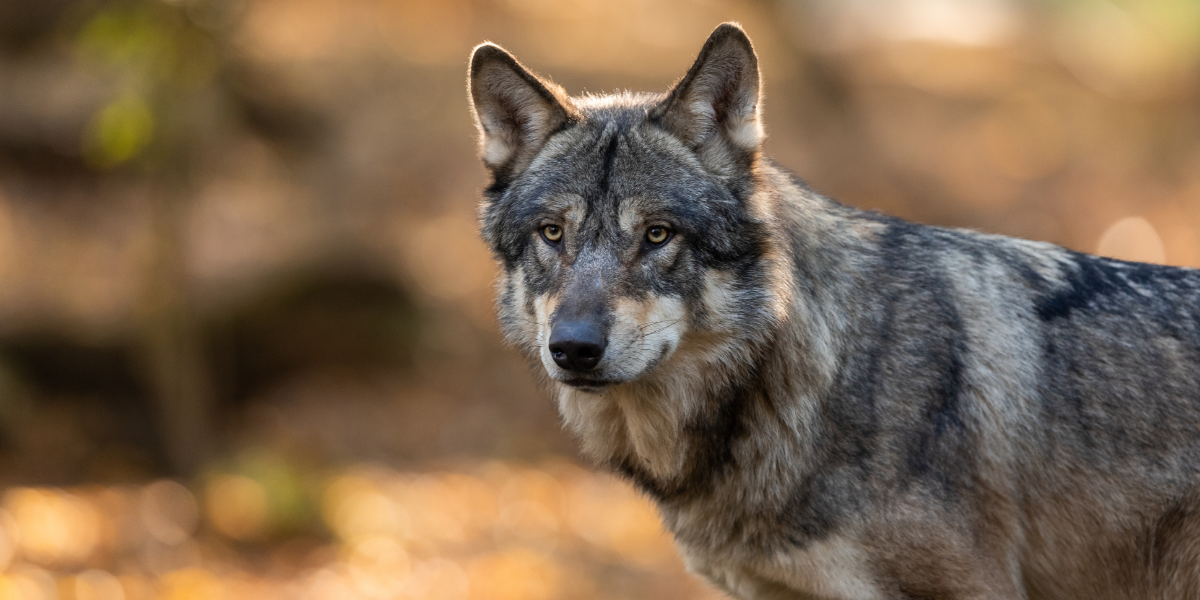
There are many gray wolf subspecies, out of which some are rarest. These unique species of the Canid family are categorized as critically endangered. The 5 rarest canids are the Mexican gray wolf, red wolf, Ethiopian wolf, Darwin’s fox, and island fox.
But the conservation efforts are ongoing under the U.S. Endangered Species Act, and captive breeding programs to protect them from further damage. Don’t miss the video below by the National Wildlife Federation on the rarest wolf species.
Frequently Asked Question
Are there any rare wolves?
The Ethiopian wolf is the world’s rarest wolf.
What is the most dangerous wolf?
The northwestern wolf is the most dangerous wolf in the world.
What is the rarest wolf?
The red wolf( canis rufus) is the most dangerous and rarest wolf.
Hi, I’m Olivia Kepner and I am a zookeeper here in San Diego. Since I was a young girl I have always been fascinated by animals and species across the globe.
I used to beg my parents to take me to our local zoo every single weekend. Well, I say local – it was more like a two hour drive away. But they took me as much as they could, allowing me to fall in love with the animals again and again.
We use cookies to ensure that we give you the best experience on our website. If you continue to use this site we will assume that you are happy with it.