Kentucky isn’t just famous for horse racing—it’s also home to fascinating wildlife that often goes unnoticed. While locals might spot deer and raccoons regularly, fewer people realize the state shelters animals ranging from bobcats to rare freshwater mussels.
Many outdoor enthusiasts struggle to identify unique species during their hikes or fishing trips. And with changing seasons, some animals become harder to find, frustrating nature lovers who want to see them firsthand.
Did you know Kentucky is home to one of the largest populations of gray bats, a federally protected species? Despite being endangered, these bats play a crucial role in controlling insect populations.
In this guide, we’ll explore animals that make Kentucky’s ecosystems so interesting—covering species you might not expect.
18 Most Interesting Animals in Kentucky
White-Tailed Deer
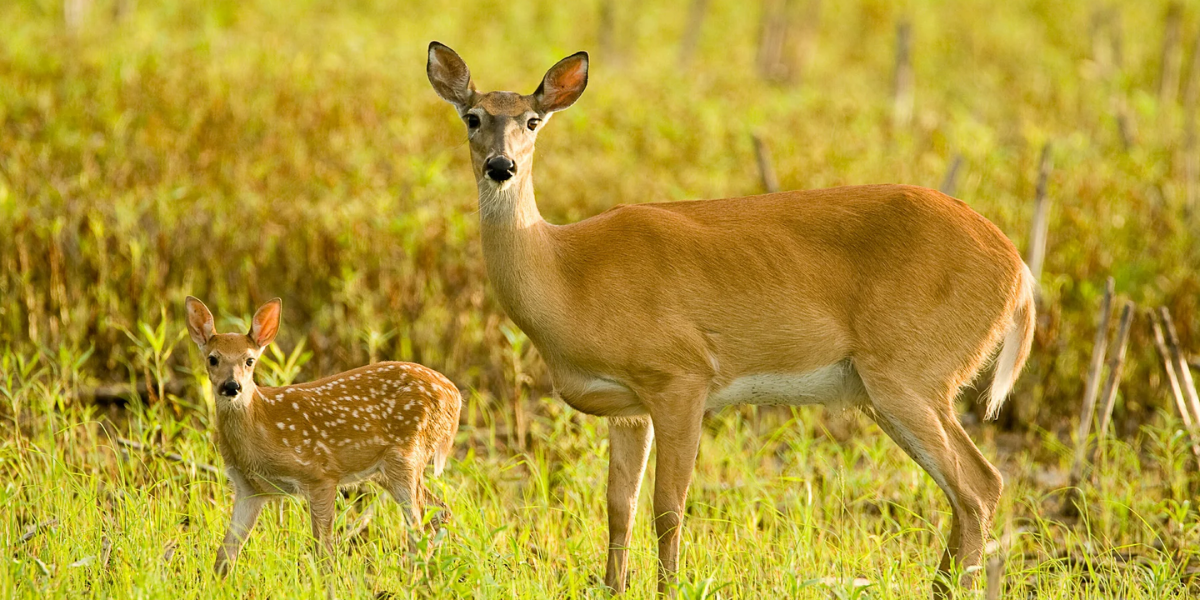
The white-tailed deer, also known as the Virginia deer, is a medium-sized deer found in Kentucky and other parts of North America, Central America, and parts of South America, such as Bolivia and Peru.
The White-tailed deer, native to the Americas, holds a remarkable position as the most widely distributed wild ecosystem. Their appear with a reddish-brown coat in spring and summer that transitions to a grey-brown hue during fall and winter. The deer’s most distinctive feature is the white underside of its tail.
How you know about the age and mating season of the White Tailed Deer?
The length of a deer’s snout and the color of its coat provide clues to its age, with older deer sporting longer snouts and grayer coats. Males regrow their antlers annually, showcasing varying lengths and branching patterns. The shedding of antlers takes place after the mating season, typically from late December to February.
White-tailed deer thrive in diverse habitats, from New York’s snow-white deer population to the arid deserts of the southern United States. These herbivores white tailed deer exhibit a diverse diet ranging from vegetation to tough shrubs, and in rare instances, even nesting songbirds and field mice.
Are the white tailed deer endangered animals in Kentucky?
Overhunting and habitat loss threaten populations, and their delicate balance underscores the importance of conservation efforts. However, the White-tailed deer population remains stable, with over 11 million individuals in the United States alone.
Eastern raccoon
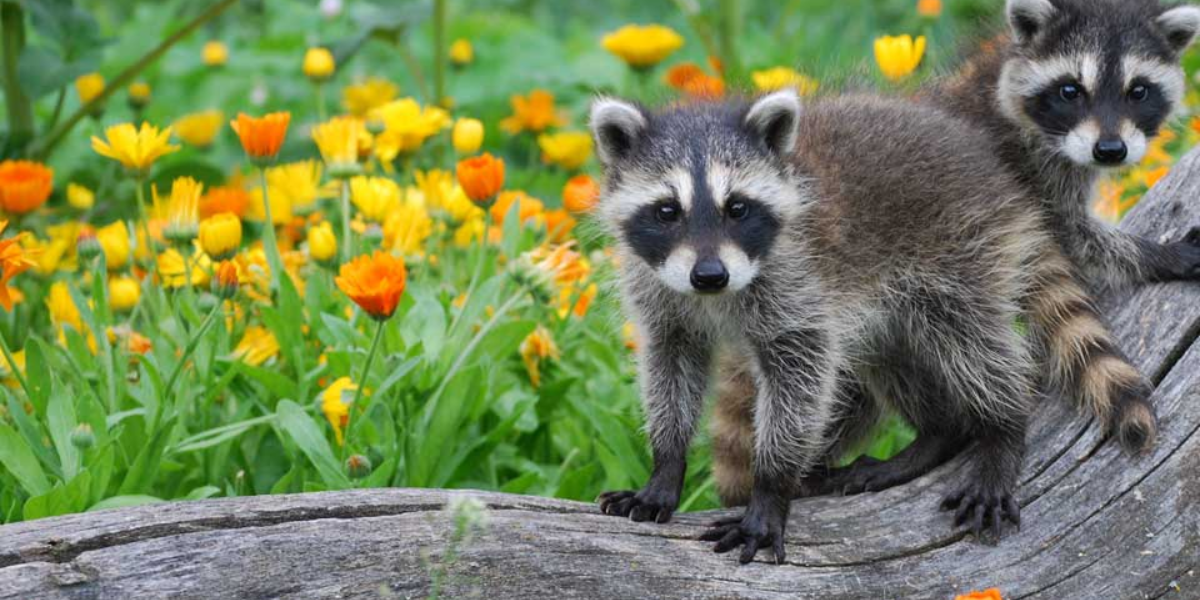
The Eastern raccoon is a medium-sized mammal found in western Kentucky, southern Illinois, parts of eastern Tennessee, Indiana, southern parts of Ontario, southern Quebec, southern New Brunswick , and Nova Scotia.
The species inhabits prairies, marshes, forests, and even urban centers. Eastern racoons are nocturnal foragers and use their paws to catch frogs, and fish.
Black Bear
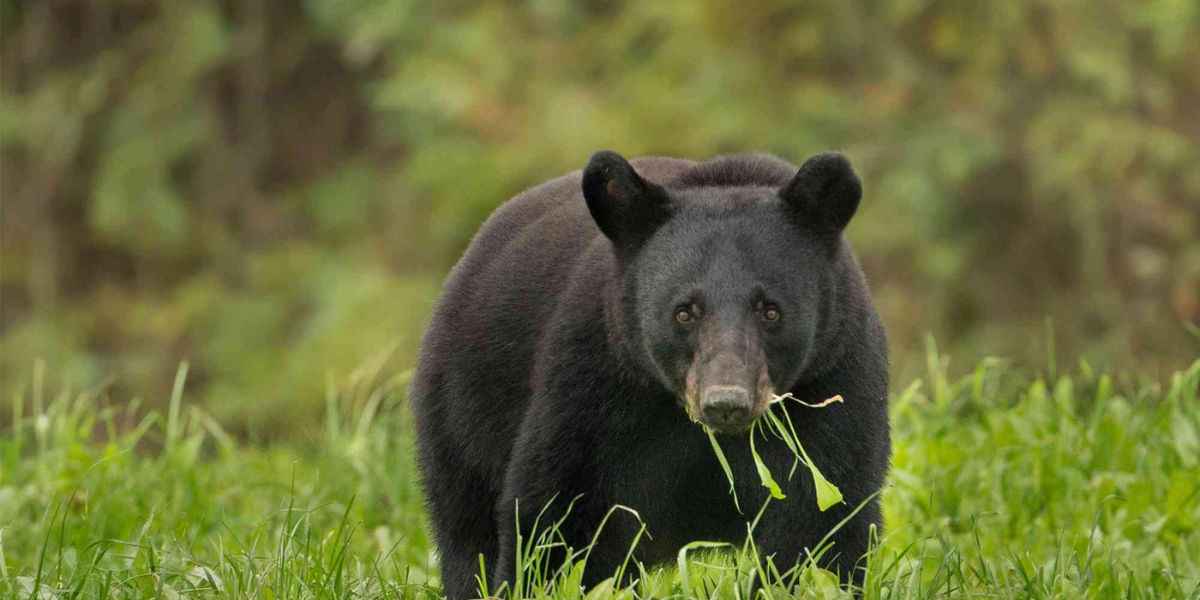
The black bear (Ursus americanus) is a large and powerful mammal that is native to Kentucky’s forests and mountains. Black bears are known for their stocky bodies, shaggy coats, and iconic crescent-shaped ears. While once extirpated from Kentucky, black bears were reintroduced to the state in the 1990s. Black bears are also known as some of the most dangerous animals in Kentucky today.
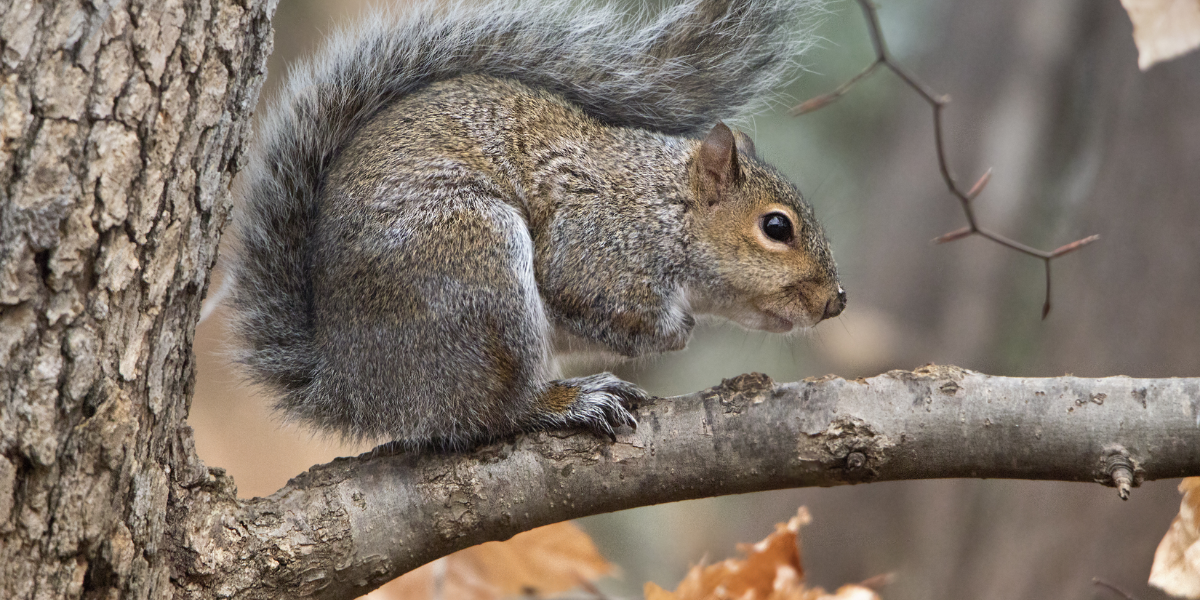
Eastern Gray Squirrel
The eastern gray squirrel (Sciurus carolinensis) is a familiar and interesting animals in Kentucky found throughout woodlands and urban areas. These bushy-tailed rodents are known for their acrobatic leaps from tree to tree and their habit of burying nuts to eat during the winter months. Eastern gray squirrels are adaptable to the environment.
Virginia Opossum
The Virginia opossum, also referred to as the North American opossum, is one of the many animals found in Kentucky. It is size of a domestic cat and is typically a nocturnal and solitary animal. The species lives near urban areas, where it rummages garbage sites, and can occasionally be a nuisance. During the Great Depression, the Virginia opossum was introduced in the western United States
Warning: To protect yourself and your family from dangerous animals in Kentucky. Keep a safe distance from venomous snakes and never attempt to handle them.
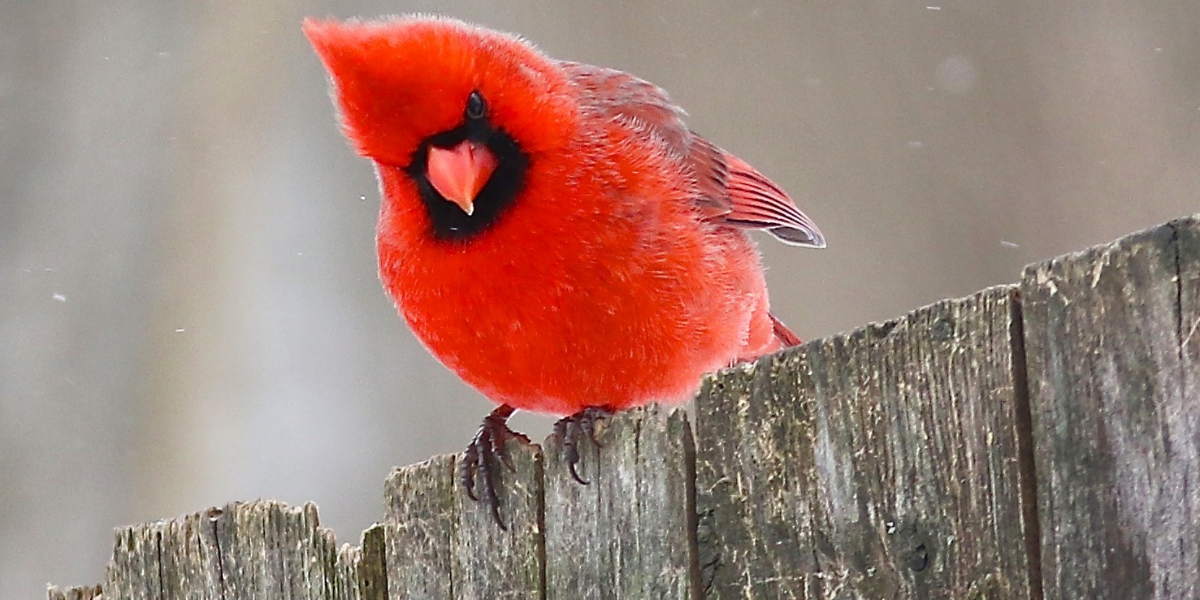
Northern Cardinal – State Bird of Kentucky
Northern Cardinal ( Cardinalis cardinalis ) The northern cardinal is a bird that is also referred to as the redbird. Native to Kentucky, the northern cardinal was named the state bird in 1926.
The bird is one of the many interesting animals in Kentucky, also found throughout the eastern United States, as well as other countries including Guatemala, Belize, and Mexico. The species inhabits wetlands, shrublands, gardens, and woodland areas. The northern cardinal bird has a body length of between 8.3 in and 9.1 in.
They are a familiar sight at backyard bird feeders and birdbaths all over the state. The bright red feathers of a male northern cardinal along with the distinctive mask of black feathers on its face make this bird hard to overlook. Cardinals can be viewed along with other Kentucky animals during the migration season. These birds are listed as the Least Concern animals on the IUCN red list.
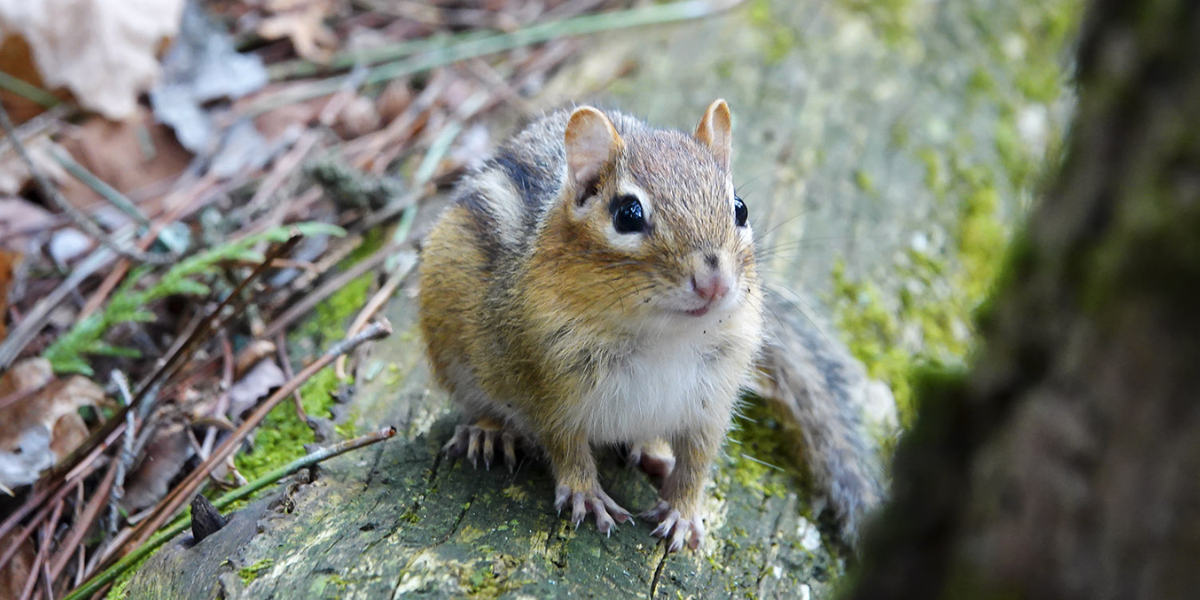
Eastern Chipmunks
Eastern Chipmunks construct burrows of interconnecting tunnels between 12 and 30 feet long! The burrows have many chambers that provide shelter from predators, a place to birth young, and a place to store food they cache for winter. Being mostly omnivorous, Chipmunks primarily eat nuts, seeds, acorns, mushrooms, and fruit.
However, they may also eat insects, snails, bird eggs, and small mammals like young mice. Chipmunks are diurnal, meaning they sleep in their burrow at night and spend the day foraging.
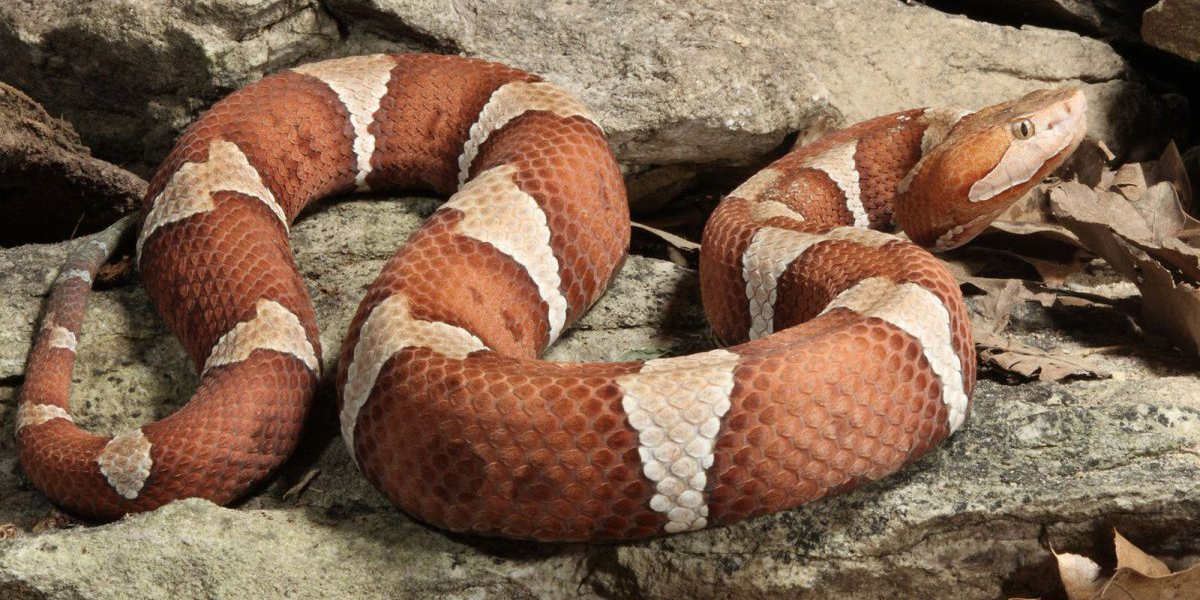
Copperhead Snake
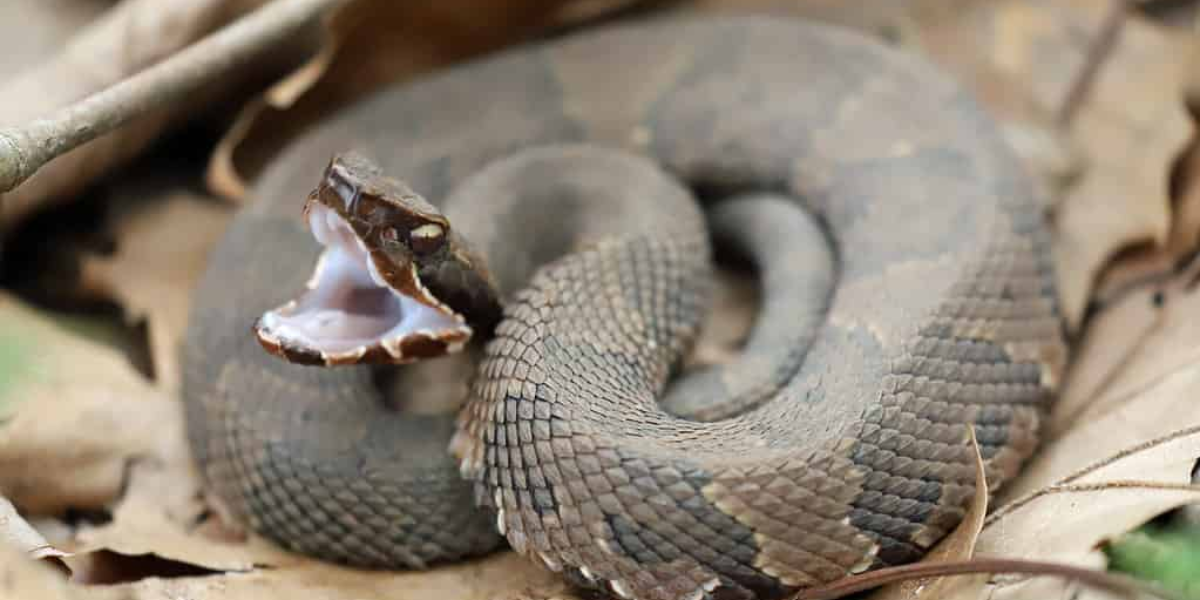
The copperhead snake (Agkistrodon contortrix) is a venomous snake that is common in Kentucky’s woodlands, meadows, and wetlands. These venomous snakes are known for their distinctive pattern of light and dark bands on their bodies, which provide excellent camouflage in their natural habitats.
Copperhead snakes are generally shy and prefer to avoid confrontation with humans, but they can be dangerous if provoked. They are skilled hunters and feed on a diet of small mammals, insects, and amphibians.
Cottonmouth Snakes
Cottonmouth snakes, or water moccasins, are a venomous species of pit viper native to the southeast United States. In Kentucky, these mostly-aquatic creatures can be found in wetland areas such as swamps and marshes. These snakes range in size from two to four feet long and are usually black or dark brown in appearance.
They can be easily distinguished by the distinctive white “cottonmouth” that they display when threatened. Like all pitvipers, cottonmouths have two large fangs near the front of their upper jaws which carry venom to subdue prey. Bites from these snakes often cause intense pain.
Eastern Spotted Skunks
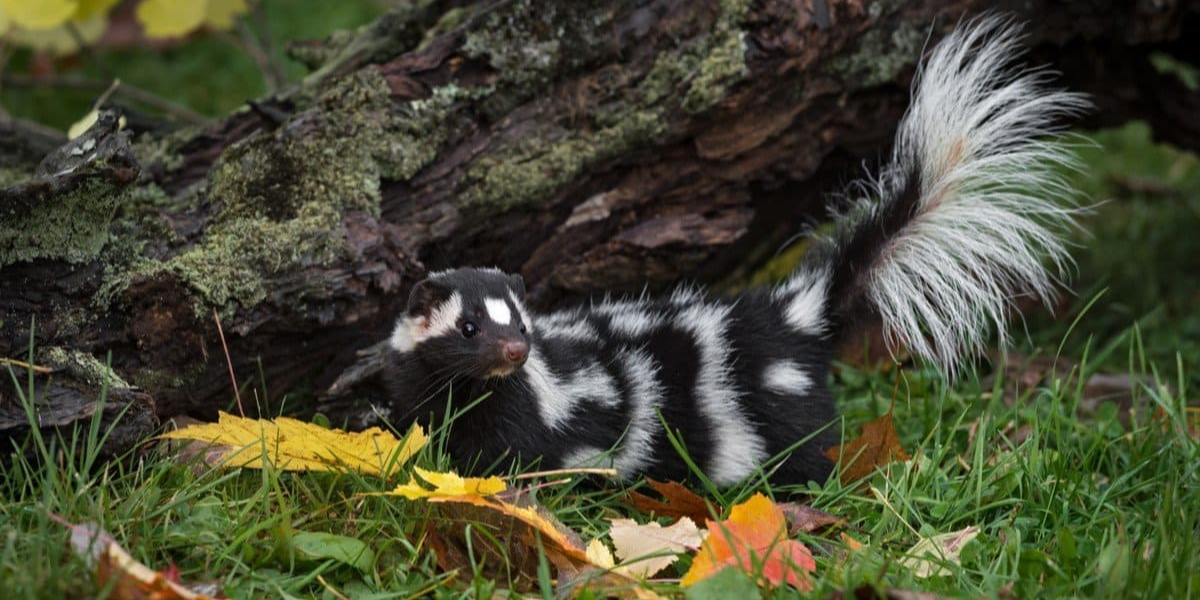
Eastern Spotted Skunks are interesting animals in Kentucky that are omnivores . During the fall and winter, they feed on equal amounts of plant and animal matter. They consume bees and wasps, larvae, and honey. They will also eat other insects, eggs, and small animals.
When threatened, Eastern Spotted Skunks will often assume a defensive posture in which they do a handstand on their front legs with their tail straight up and back legs spread apart in the air. They can balance and move forward in this stance while aiming specialized glands at the predator.
Gray Fox
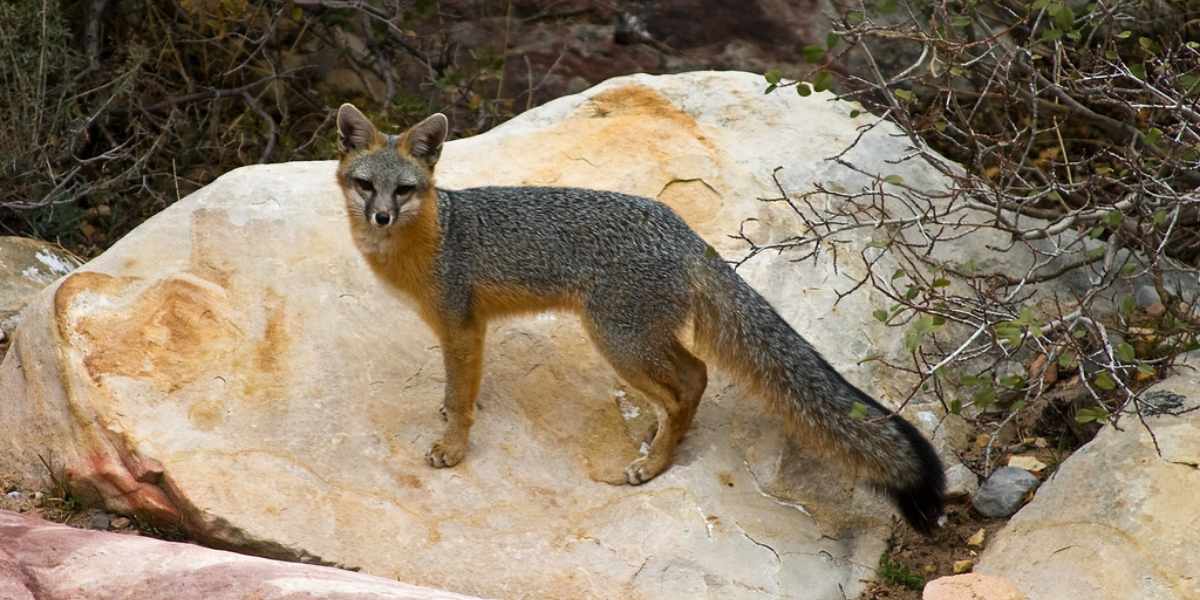
The gray fox is a canid found throughout North and Central America. Historically, it was the most common type of fox in the eastern part the United States, although its population within the region has since become sparse.
This regional population decline is the result of deforestation, which has enabled the red fox to be more dominant in the region. In the Pacific US states, the gray fox is still the dominant species of fox.
The gray fox can be distinguished from other canids by its grizzled upperparts, black stripes on its downturn, and strong neck. It is the only American canid with the unique ability to climb trees.
Black Rat
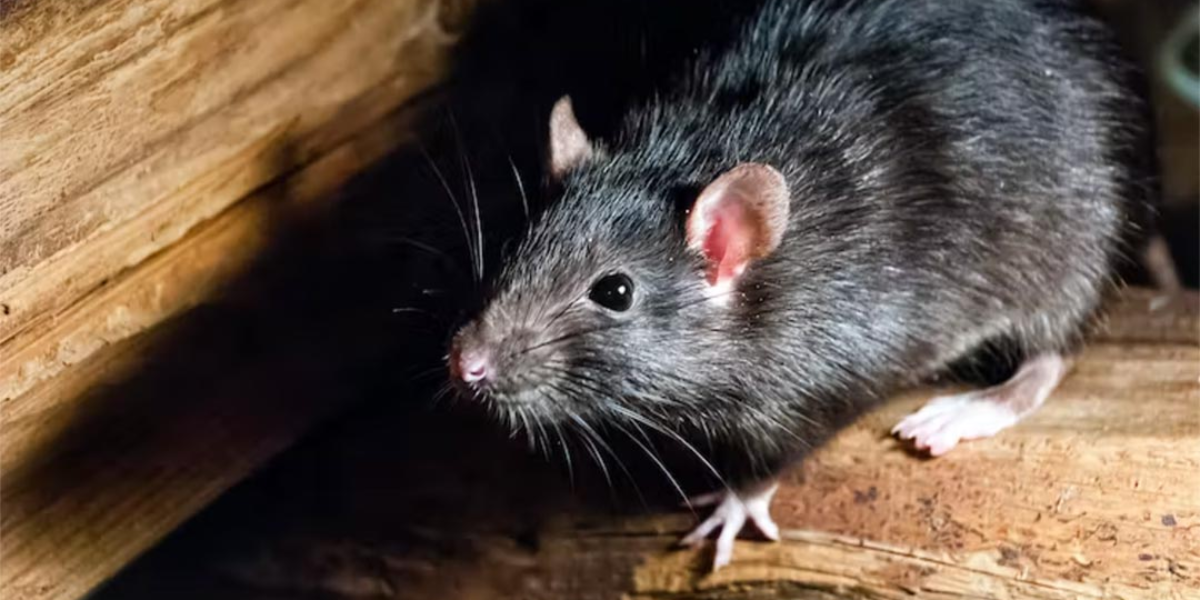
In many areas where the Black Rat was once the dominant species, the Brown Rat has taken over. Black Rats are slightly smaller and reproduce less often, two of the reasons this species isn’t as widespread as Brown Rats.
Like other rodents, Black Rats can carry pathogens in their bodies. While they may not appear sick, they can spread infections like toxoplasmosis, typhus, and bubonic plague.
Red Fox
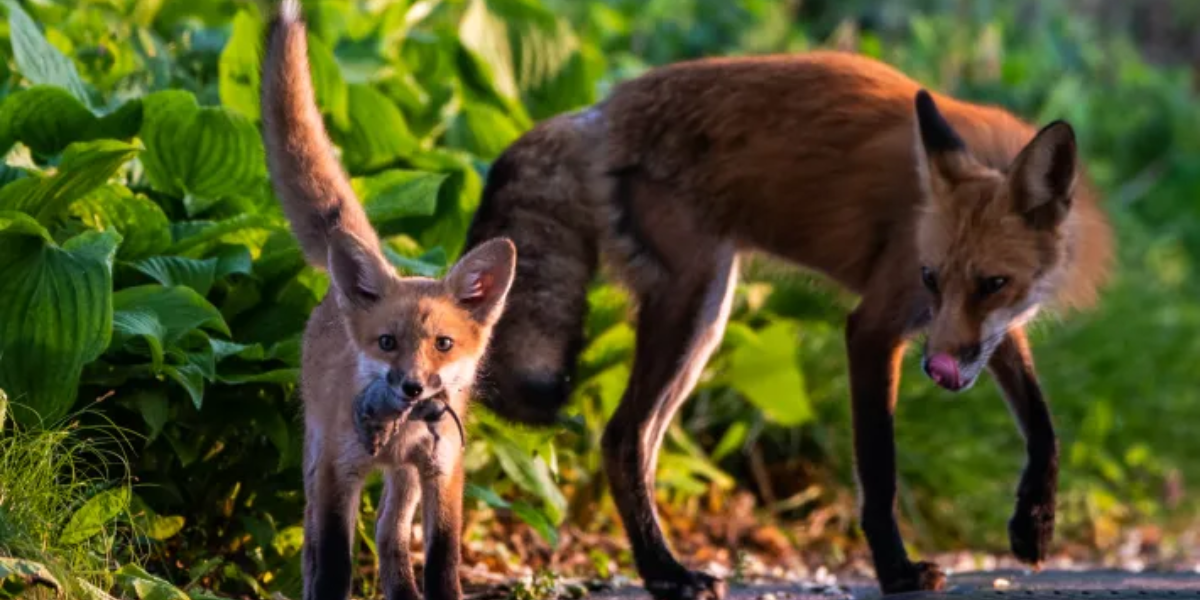
The red fox has been recognized as among the “world’s 100 worst invasive species” by the Global Invasive Species Database. For example, the species of interesting animals in Kentucky was introduced in Australia and is regarded as harmful to the native birds and mammals.
Unlike other species of fox, the red fox has the ability to quickly adapt to new environments. The red fox is classified as the Least Concern animal species on the IUCN red list.
Spiders
Kentucky is home to a variety of spiders, including the infamous Brown Recluse and the Carolina Wolf Spider. The Brown Recluse, recognized by its violin-shaped marking, is one of the most venomous spiders in the U.S.
Despite its potent venom, it is generally non-aggressive and prefers dark, secluded areas like basements and woodpiles. In contrast, the Carolina Wolf Spider is large and fast, often found under logs or rocks.
Unlike many spiders, wolf spiders do not spin webs to catch prey; instead, they actively hunt. Despite their intimidating appearance, they pose little danger to humans.
Snakes
Kentucky hosts 33 native snake species, of which only four are venomous. Notably, the Eastern Hognose Snake has an upturned snout and exhibits unique defensive behaviors, such as playing dead.
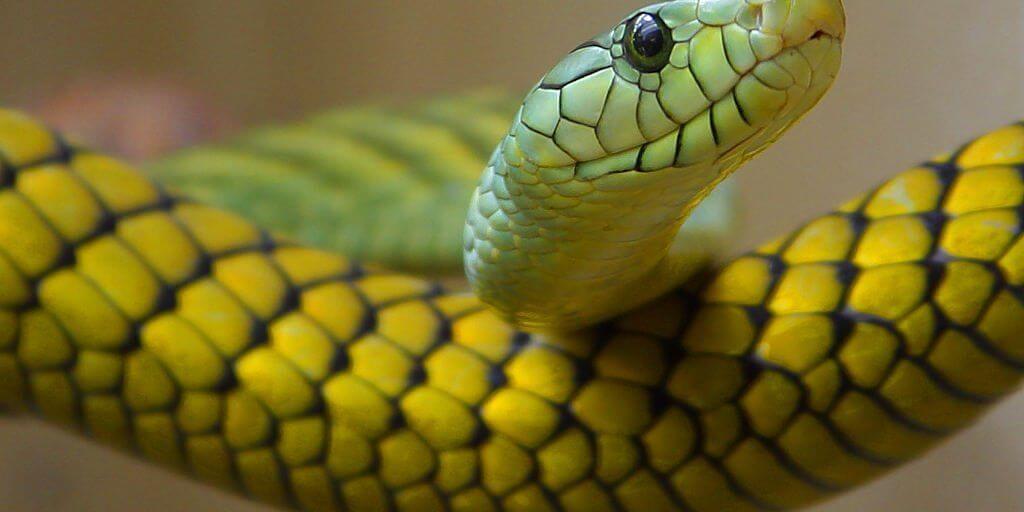
Although non-venomous, these snakes are beneficial as they help control rodent populations. The Timber Rattlesnake and Copperhead are two of the venomous species in Kentucky, both playing crucial roles in their ecosystems by maintaining small mammal populations.
While many people fear snakes, they generally avoid human interaction and are vital for ecological health.
Virginia Opossum
The Virginia Opossum is North America’s only marsupial, thriving in various habitats across Kentucky. These nocturnal creatures are scavengers, consuming carrion, fruits, and small animals, which helps reduce disease spread by cleaning up dead matter.
One unique defense mechanism is their ability to “play dead” when threatened, a state that can last several hours. Additionally, opossums exhibit a high resistance to snake venom and rarely contract rabies due to their low body temperature.
Their presence in the ecosystem is vital for maintaining balance and promoting biodiversity.
Woodchuck
Also known as groundhogs or whistle pigs, woodchucks are the largest members of the squirrel family found in Kentucky. They are expert burrowers, capable of moving large amounts of soil to create extensive tunnel systems that provide shelter and hibernation spaces during the winter months.
Woodchucks are generally solitary creatures, recognized for their loud whistles that serve as warnings of danger. Their diet consists mainly of vegetation, which they consume in large quantities to build fat reserves for hibernation, playing an essential role in their ecological environment.
Bison
Historically, bison roamed parts of Kentucky but were hunted to extinction in the state by 1800. These massive creatures significantly shaped the landscape by grazing and creating paths that later became roads.
Efforts to reintroduce bison have been made in areas like the Land Between the Lakes National Recreation Area. Bison are an iconic symbol of American wildlife and serve as a critical reminder of conservation needs.
Although they are no longer found in Kentucky’s wild, they remain an important part of its natural history and cultural heritage.
FAQs About Interesting Animals in Kentucky
What dangerous animals live in Kentucky?
The most dangerous wildlife living in Kentucky include the black widow spider, the copperhead snake, the cottonmouth snake, and the black bear.
What cool animals live in Kentucky?
Kentucky is home to a variety of cool animals, such as white-tailed deer, gray squirrels, and wild turkeys.
What wild animals can be found in Kentucky?
Kentucky’s wilderness is inhabited by animals like black bears, bobcats, and red foxes.
What animals to watch out for in Kentucky?
While exploring Kentucky, be cautious of venomous snakes like copperheads and timber rattlesnakes.
What big cats are in Kentucky?
Kentucky is known to have bobcats, but there are no native populations of big cats like mountain lions or cougars.
Conclusion
Kentucky is home to a diverse array of wildlife that often goes unnoticed, despite its rich ecosystems. From the recognizable white-tailed deer to the elusive gray bat, the state supports numerous species that play vital roles in maintaining ecological balance.
Outdoor enthusiasts may find it challenging to spot some of these unique animals, especially with seasonal changes affecting their visibility. Awareness of the state’s wildlife, including the fascinating behaviors of creatures like the Virginia opossum and the black bear, enhances the outdoor experience for nature lovers.
Understanding these animals, their habitats, and their significance is essential for conservation efforts. Kentucky’s wildlife not only contributes to the beauty of the natural landscape but also highlights the importance of preserving these species for future generations.
Hi, I’m Olivia Kepner and I am a zookeeper here in San Diego. Since I was a young girl I have always been fascinated by animals and species across the globe.
I used to beg my parents to take me to our local zoo every single weekend. Well, I say local – it was more like a two hour drive away. But they took me as much as they could, allowing me to fall in love with the animals again and again.
We use cookies to ensure that we give you the best experience on our website. If you continue to use this site we will assume that you are happy with it.