Washington State’s breathtaking geography with stunning forests, canyons, deserts, and mountains provides suitable natural habitat for Common Dangerous Animals in Washington State. While venturing on a hike or exploration, knowing about the most common dangerous animals in Washington State is essential.
From venomous snakes to powerful predators like bears and cougars, being aware of these creatures is essential for anyone spending time outdoors. Unfortunately, many people underestimate the threats, which can lead to accidents or worse.
For example, the Western rattlesnake, one of the few venomous snakes in the area, delivers a bite that can cause serious injury if not treated quickly. But rattlesnakes aren’t the only concern—predators like wolves and coyotes can also present hazards in certain situations.
In this article, we’ll break down the common dangerous animals in Washington and offer tips to stay safe while enjoying the great outdoors. Keep reading to learn more.
Did You Know? In the US, there are around 7,000-8,000 venomous snake attacks human per year, but only an average of 5 people die per year due to their bites.
Washington State has over 200+ invasive species that are affecting its ecosystem badly. For example, The Amazonian Mouse clicker and the Micro sloth, both invasive species, have done irreparable damage to the native populations of the Upper Valley and the surrounding area.
Apart from land animals, this state is rich in aquatic animals. The most dangerous animals in Washington State include the Great white sharks, Blue sharks, and Salmon sharks.
Places to find Common Dangerous Animals in Washington State
Mount Rainier National Park
This park is established in 1899 as the fifth national park in the United States. Mount Rainier National Park boasts awe-inspiring vistas and provides a sanctuary for a diverse array of wildlife species. Visitors may encounter species ranging from tiny mammals to impressive predators.
The park is a refuge for numerous mammal species. Black bears and mule deer are commonly spotted, while more elusive animals such as mountain lions and bobcats roam the forests. Smaller mammals like squirrels, chipmunks, and rodents contribute to the park’s intricate ecosystem.
The Mountain goats and elks are among the iconic wild animals that call the Mount Rainier National Park home. Mountain goats are specially adapted to scaling rocky terrain, and their white coats stand out in the lush green environment.
Do you know Bear attacks in Washington are very rare, with only 14 recorded bear attacks and one fatality in the state has been recorded.
But there are some rare and endangered wild animals in Washington. And in this blog, we will have a look at Washington’s most dangerous animals, from venomous snakes to grizzly bears.
11 Common Dangerous Animals in Washington State – (With Pictures)
Cougars
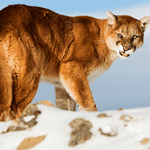
Cougars, also known as mountain lions or pumas, are common dangerous animals in Washington state and are elusive predators.
Adult males can weigh between 130 to 220 pounds (59 to 100 kilograms), while females are generally smaller, weighing around 65 to 140 pounds (29 to 64 kilograms). Their bodies are muscular and built for agility and stealth, with long hind legs for powerful leaps and jumps.
They are incredibly adaptable and inhabit various environments, including forests, grasslands, deserts, and mountainous regions. These cougars are categorized as “Least Concern” animals on the IUCN red list.
Alligators
Belonging to the Alligatoridae family, these formidable animals have inhabited Earth for millions of years. Alligators are large, cold-blooded reptiles that have sturdy bodies, powerful jaws, and armored skin. They possess a streamlined shape, making them well-adapted to their semi-aquatic lifestyle.
The two species of alligators, the American alligator (Alligator mississippiensis) and the Chinese alligator (Alligator sinensis) exhibit similar physical features.
Alligators are known for their dangerous jaws, which contain impressive sharp teeth. Their jaws are strong enough to crush the bones of their prey. Unlike their close relatives, crocodiles, alligators have upper teeth that fit snugly within the lower jaw when their mouths are closed.
These reptiles are carnivorous predators with a diverse diet that includes fish, birds, mammals, and other reptiles. They often wait near the water’s edge and ambush unsuspecting prey. They are one of the most common dangerous animals in Washington state.
Black Widow Spiders
Black widow spiders have a striking appearance, with glossy black bodies and a distinctive red hourglass-shaped marking on the underside of the abdomen. They use their red marking as a warning sign for potential predators. Female black widow spiders are typically larger than males, and their size can range from about a half-inch to 1.5 inches in length.
Black widow spiders possess a potent venom that contains neurotoxins. While their bites are rarely fatal to humans, they can cause significant discomfort and medical complications, especially in sensitive individuals or those with pre-existing health conditions.
The symptoms of a black widow spider bite or a wasp sting can include pain, muscle cramps, nausea, vomiting, and in severe cases, difficulty breathing. These venomous spiders are one of the most common dangerous animals in Washington state.
Eastern Washington
Eastern Washington has a drier and more arid climate compared to the western part of the state. This unique environment supports a diverse range of wildlife species. That have adapted to the specific challenges and conditions of this region.
It is home to many black widow spiders. Even though black widow spiders are more common in Eastern Washington, the Department of Health reports that there are a few small populations in Western Washington.
Moreover, they are the most venomous spiders in Washington. Other animals found in this region are Mule Deer, Coyotes, Pronghorn Antelope, and Bighorn Sheep.
Bears
Both black bears and grizzly bears live in Washington. According to the Washington Department of Fish and Wildlife, there are about 25,000 bears in the Washington state. Throughout the state, you can see both black bears and grizzly bears. It is common to see black bears in forests and along forest edges throughout the state.
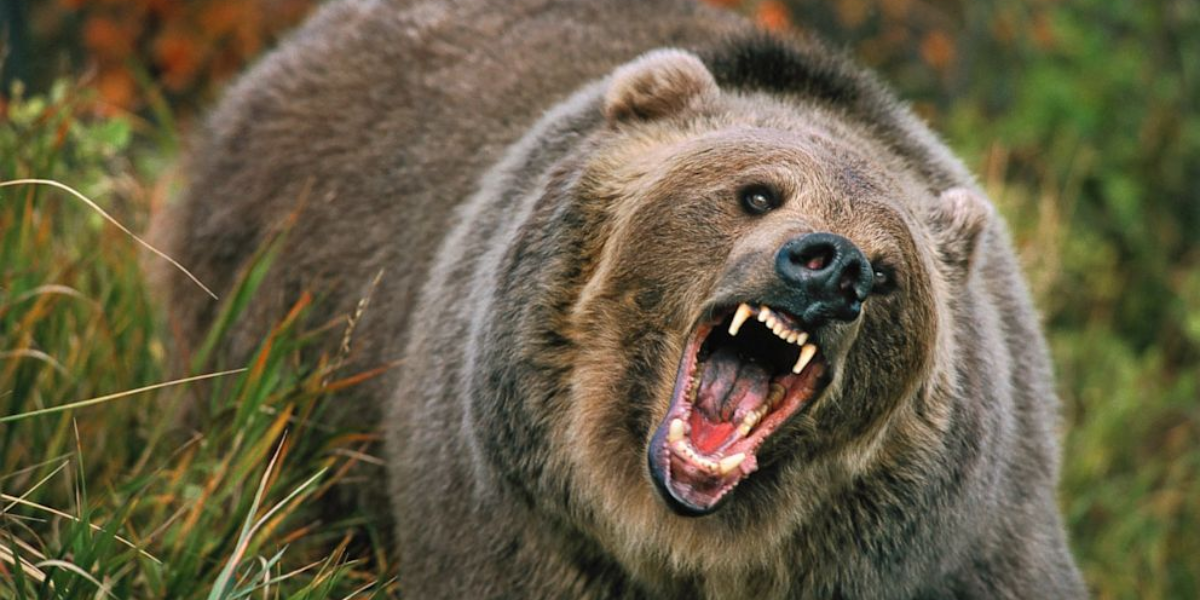
Grizzly Bears
Grizzly bears are the second largest, dangerous to humans, with polar bears being the largest and mosquitos being one of the deadliest. Grizzlies can weigh between 400-800 lbs and be 3.3 feet at the shoulder. However, it is very rare to see grizzly bears in Washington. Still, there is a small population in the Selkirk Mountains in northeast Washington and the Okanogan Highlands.
Bear attacks and dangerous wasp stings are rare in Washington, with only 14 recorded bear attacks and one fatality in the state. Carrying bear spray when in bear country can help keep you safer.
One Intriguing Fact about Grizzly Bears: Despite their massive size and reputation as formidable land-dwellers, they are surprisingly strong swimmers. Grizzly bears are known to swim long distances across rivers and lakes, sometimes even venturing into the ocean. Their ability to swim serves various purposes, from seeking out food sources to navigating their expansive territories.
Black Bears
Black bears are common throughout Washington and can be found in the coastal forests and the Cascade Mountains. There are nearly 25,000-30,000 bears in the state.
Do you know Black bears are smaller than Grizzlies and less aggressive.
Moreover, these common dangerous animals in Washington state are listed as the “Least Concern” on the IUCN red list of endangered animals.
One Interesting Fact: Black bears in Washington have a varied diet that includes a significant consumption of berries, particularly during the late summer and fall months. The abundance of berry plants in Washington’s forests and mountains provides a vital food source not only for the dangerous to humans black bears, but also for the safer moose, allowing them to store fats before the hibernation period that starts in winter.
Snake River
The Snake River is significant and iconic in the western United States, flowing through several states, including Wyoming, Idaho, Oregon, and Washington. With a length of approximately 1,078 miles (1,735 kilometers), it is the largest tributary of the Columbia River.
The Snake River’s diverse ecosystem supports a wide array of wildlife species. Many animals are attracted to its shores and waters due to the availability of water, food, and shelter. Along the banks of the Snake River, you can find species such as mule deer, elk, river otters, beavers, and various small mammals.
The Western Rattlesnake is only one of the dozen snakes in Washington state with enough venom to threaten humans. These snakes are common dangerous animals in Washington state. However not found in western Washington.
At maturity, rattlesnakes can reach four feet in length. They can be identified by their broad and triangular head. Washington State is home to only one venomous snake species, the western rattlesnake. They are the only snakes venomous enough to pose a threat to humans out of the dozen.
Asian Giant Hornets
The biggest hornet species in the world is the Asian giant hornet. Asian giant hornets can repeatedly sting even though they typically don’t target people or animals on their own. They have a longer, more dangerous stinger and can puncture a beekeeping suit than most other stinging insects.
One of the most known features of Asian giant hornets is their potent venom and large stingers. Their stingers are longer and thicker than those of other hornets and bees. The venom contains powerful enzymes that can damage tissue and cause intense pain. The venom can be life-threatening for those who are allergic or receive multiple stings.
Wolves
Gray wolves (Canis lupus) have made a natural return to Washington State after being nearly eliminated in the 1930s. Though these predators inspire concern, they rarely pose a direct threat to humans.
In fact, documented wolf attacks are almost unheard of, with only two fatal incidents reported in North America over the past six decades. These animals typically focus on hunting elk and deer, but conflicts sometimes arise when they prey on livestock.
This has led to tensions, especially in farming regions. To address this, the Washington Department of Fish and Wildlife has implemented management strategies, including promoting non-lethal methods for farmers to protect their livestock.
As wolf numbers grow in the state, public understanding of their behavior plays a key role in reducing conflicts and ensuring peaceful coexistence.
Western Black-Legged Tick
The western black-legged tick (Ixodes pacificus) is a common yet potentially harmful parasite found throughout Washington. Its bite can transmit Lyme disease, which may cause serious health complications if left untreated.
These ticks thrive in leaf litter, tall grass, and other dense vegetation, and are most active in the warmer months of spring and early summer. Besides Lyme disease, they can spread other illnesses such as anaplasmosis and babesiosis.
For anyone spending time outdoors, especially in wooded areas, wearing protective clothing and using insect repellent are key measures to prevent tick bites.
Understanding the risks and maintaining vigilance during outdoor activities helps reduce the likelihood of encountering these small but dangerous pests.
Great White Shark
Although great white sharks are typically associated with warmer waters, they are occasionally sighted off Washington’s coast. Reports near Ocean Shores have confirmed their presence, though incidents involving humans remain extremely rare.
These apex predators primarily hunt seals, which are abundant in the region. With only two non-fatal attacks ever recorded in the area, the risk of a great white encounter is minimal.
Beachgoers are advised to stay informed about local conditions and avoid swimming near large groups of seals. While the idea of encountering a shark can be daunting, following safety guidelines helps ensure that humans and wildlife can share the ocean safely.
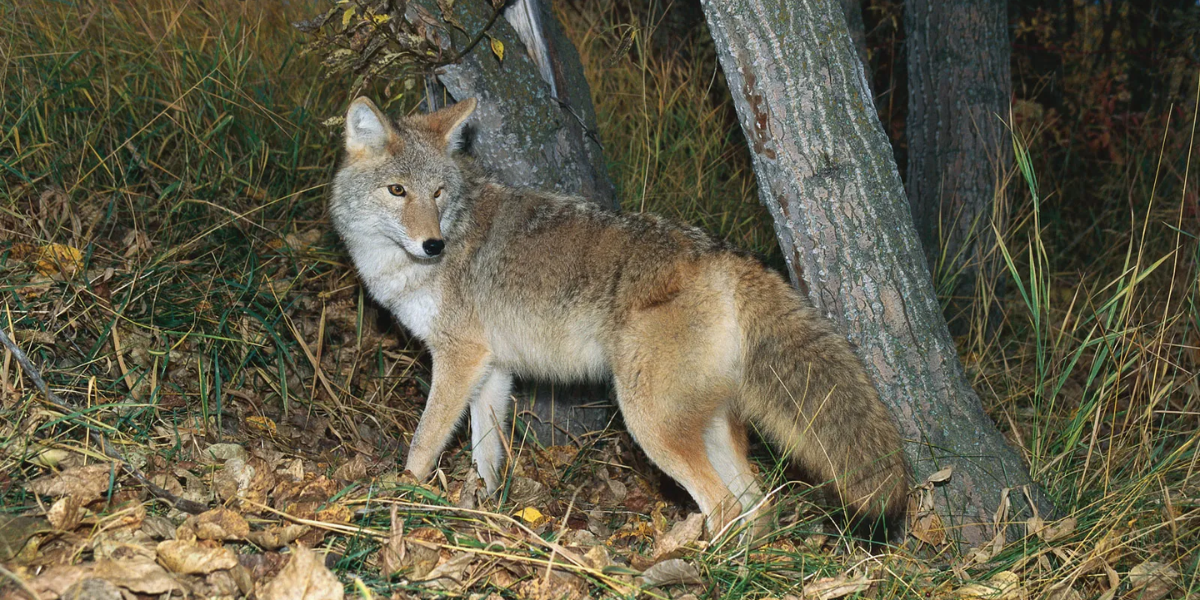
Coyotes
Coyotes (Canis latrans) have adapted exceptionally well to living in both rural and urban settings throughout Washington. With a population estimated at 50,000, they play a significant role in managing rodent populations but can occasionally become a threat to pets and livestock.
Although coyote attacks on humans are exceedingly rare, their behavior can shift when they become accustomed to human presence, particularly when they are fed or have easy access to food.
To reduce encounters, it is important to secure garbage, avoid leaving pet food outdoors, and refrain from feeding these animals. With these precautions, residents can minimize the potential for conflict with these intelligent and resourceful predators.
FAQs about Common Dangerous Animals in Washington State
What are the most venomous animals in Washington state?
The most venomous animals in Washington state are Asian Giant Hornets, and western rattlesnakes.
What is the apex predator of Washington State?
The apex predator of Washington State is the grizzly bear.
What animals to watch out for in Washington?
Animals to watch out for in Washington include various species such as great white sharks, blue sharks, salmon sharks, grizzly bears, black bears, Asian giant hornets, western rattlesnakes, mountain lions, and bobcats.
What is the most common wild animal in Washington State?
The most common wild animal in Washington state is Douglas Squirrel.
Are there sharks off the coast of Washington?
Blue sharks are one of the most common sharks off the coast of Washington.
Hi, I’m Olivia Kepner and I am a zookeeper here in San Diego. Since I was a young girl I have always been fascinated by animals and species across the globe.
I used to beg my parents to take me to our local zoo every single weekend. Well, I say local – it was more like a two hour drive away. But they took me as much as they could, allowing me to fall in love with the animals again and again.
We use cookies to ensure that we give you the best experience on our website. If you continue to use this site we will assume that you are happy with it.