Finding animals that start with the letter “V” isn’t as straightforward as it sounds. Many of these creatures remain lesser-known, which makes the search even trickier. For enthusiasts, students, or curious minds wanting to broaden their understanding of wildlife, this lack of information can feel like a hurdle.
Did you know that the vampire bat, a unique animal beginning with “V,” is one of the few mammals with a diet primarily consisting of blood? It’s one of the standout examples, but it’s not the only animal worth noting.
In this guide, we’ll cover a diverse list of animals whose names begin with “V,” offering details about each to expand your knowledge and satisfy your curiosity.
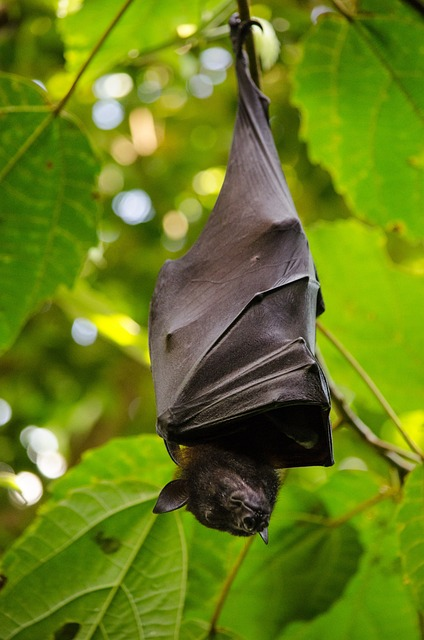
Central America is home to many fascinating animals. However, none of them may be quite as interesting as vampire bats. Surprisingly, Vampire bats aren’t vampires and won’t suck your blood.
Instead, they spend their time scurrying around Central American forests in search of small animals like birds, reptiles, or even mice from which they can drain their blood. These misty forests are the perfect habitat for them to call home and to make the most of their unique lifestyle.
Vampire Squid
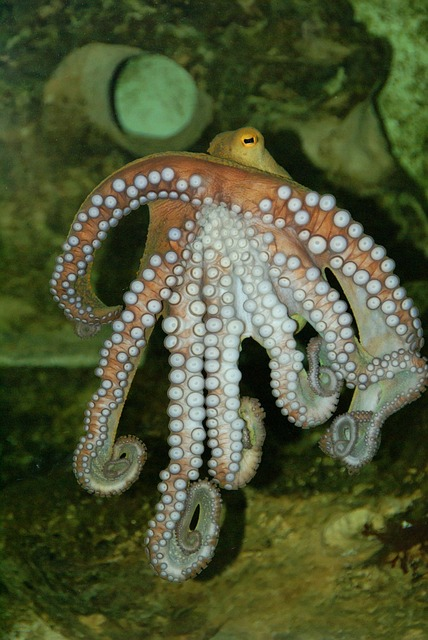
Vampire squids are one of the most unique and exciting animals that start with V. They are also known as vampire-flying squids. They have daunting black eyes, red webbed arms, and peculiar mantles.
The scientific name of the vampire squid is “Vampyroteuthis infernalis.” Surprisingly, these marine cephalopods feed on microscopic particles with eight arms that take prey into their sizeable funnel-like mouth.
The vampire squid is a deep-sea critter in temperate waters from 600 to 900 meters below the ocean surface. However, they have features similar to octopuses and squids. Vampire squids have a distinct appearance that makes them stand out among other sea creatures.
Interestingly, this peculiar little sea creature is thought by some researchers to be one of the most primitive cephalopods. Aside from its place in animal taxonomy, it also maintains a place in conservation circles.
While the vampire squid isn’t deemed critically endangered, like other animals, it still faces some threats due to pollution and climate change.
Vancouver island marmot
The Vancouver Island marmot is one of the rarest animals in the world, native to only one place, Vancouver Island, Canada. It’s part of a group of mammals known as animals that start with V,’ including sloths and vampire bats that make their homes in Central and South America.
Despite the challenge of finding them in the wild, the Vancouver Island Marmot has been studied extensively by scientists due to its charismatic nature. In addition to assisting researchers with their findings, these unique creatures have inspired conservation organizations worldwide.
Nevertheless, the conservation of these incredible creatures is an ongoing struggle due to their threatened status.
Vicuna
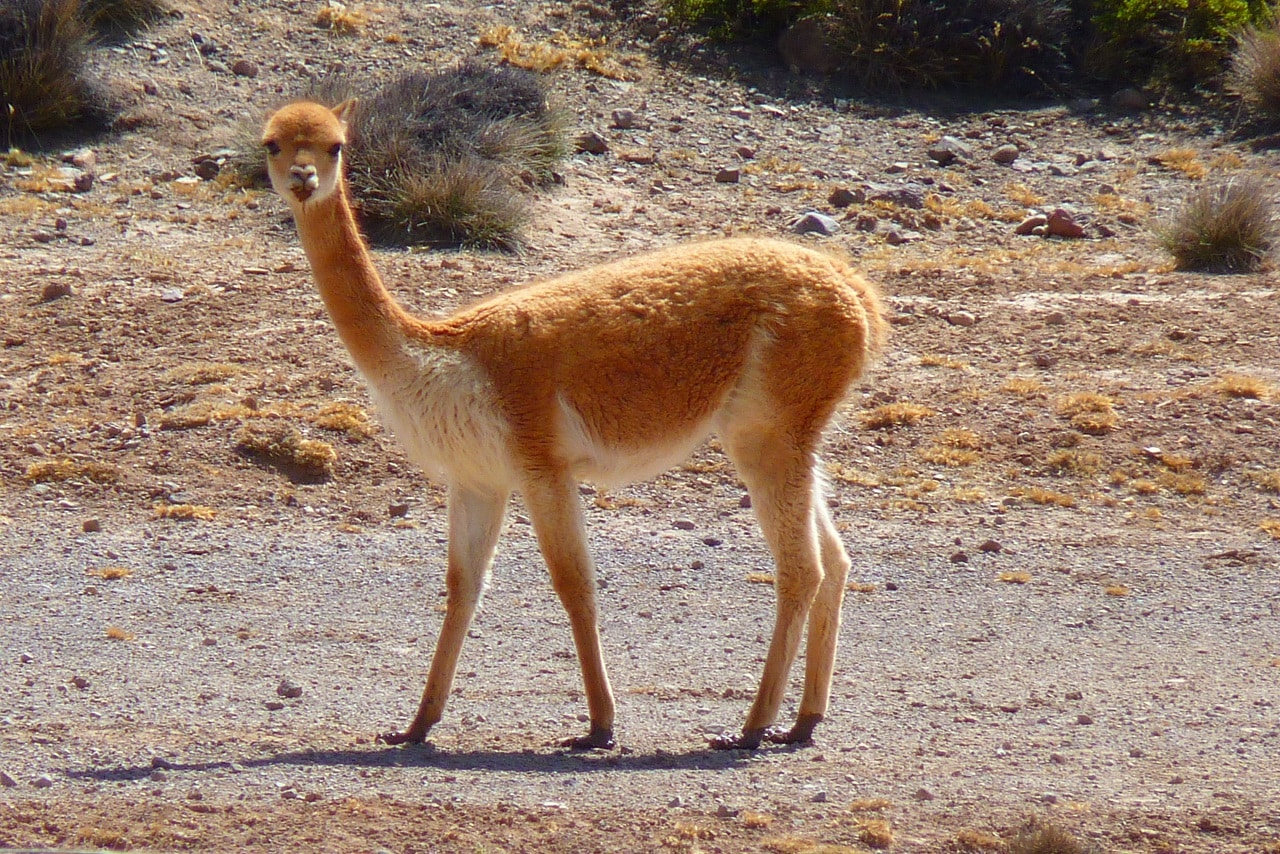
The vicuña is a magnificent animal that begins with the letter V and is found in South America. It is one of the smallest members of the camel family, standing only 60 to 90 cm tall at its shoulder and weighing around 50 kg, making them unique among its brethren.
Sadly, they are considered a critically endangered species, with less than 150,000 remaining across high-altitude plateaus in Bolivia, Chile, Argentina, and Peru. Conservationists are looking for ways to increase this number with limited success thus far due to the difficulty in monitoring their habitat and protection from illegal poaching.
Despite all of this, though, these incredible animals persist as an incredibly endangered species.
Vulture
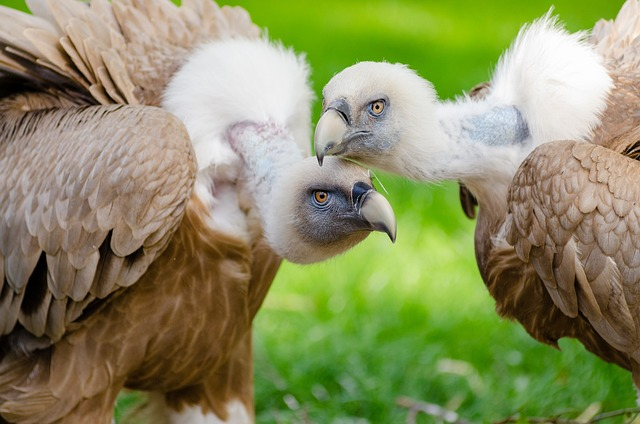
Vultures are incredible animals that start with V, and unlike what many may believe, they’re closely related to storks and hawks.
There are several different types of vulture, including the Old World vulture, which can be found in Europe, Africa, and Asia, and the New World vulture, which is generally found in South America.
As scavengers, these birds feed off of carrion – meaning any dead animal or plant material – providing an important service that helps keep wild ecosystems clean and healthy. Vultures also provide a fascinating insight into animal behavior; they even have a particular vocalization to celebrate finding food amongst a group.
Vaquita
The vaquita, a small porpoise found exclusively in the Gulf of California, is a critically endangered species that faces extinction risk. A member of animals that start with V, they are not very well known, but it is estimated that there are only around 12 individuals alive today.
It is believed to be the most endangered marine mammal in the world and is competing with nine other species for the title of most endangered animal on the heart. Joining them are the likes of the Javan Rhino and Vancouver Island Marmot.
Scientists recommend quick action to be taken to save this beautiful creature from going extinct before our eyes.
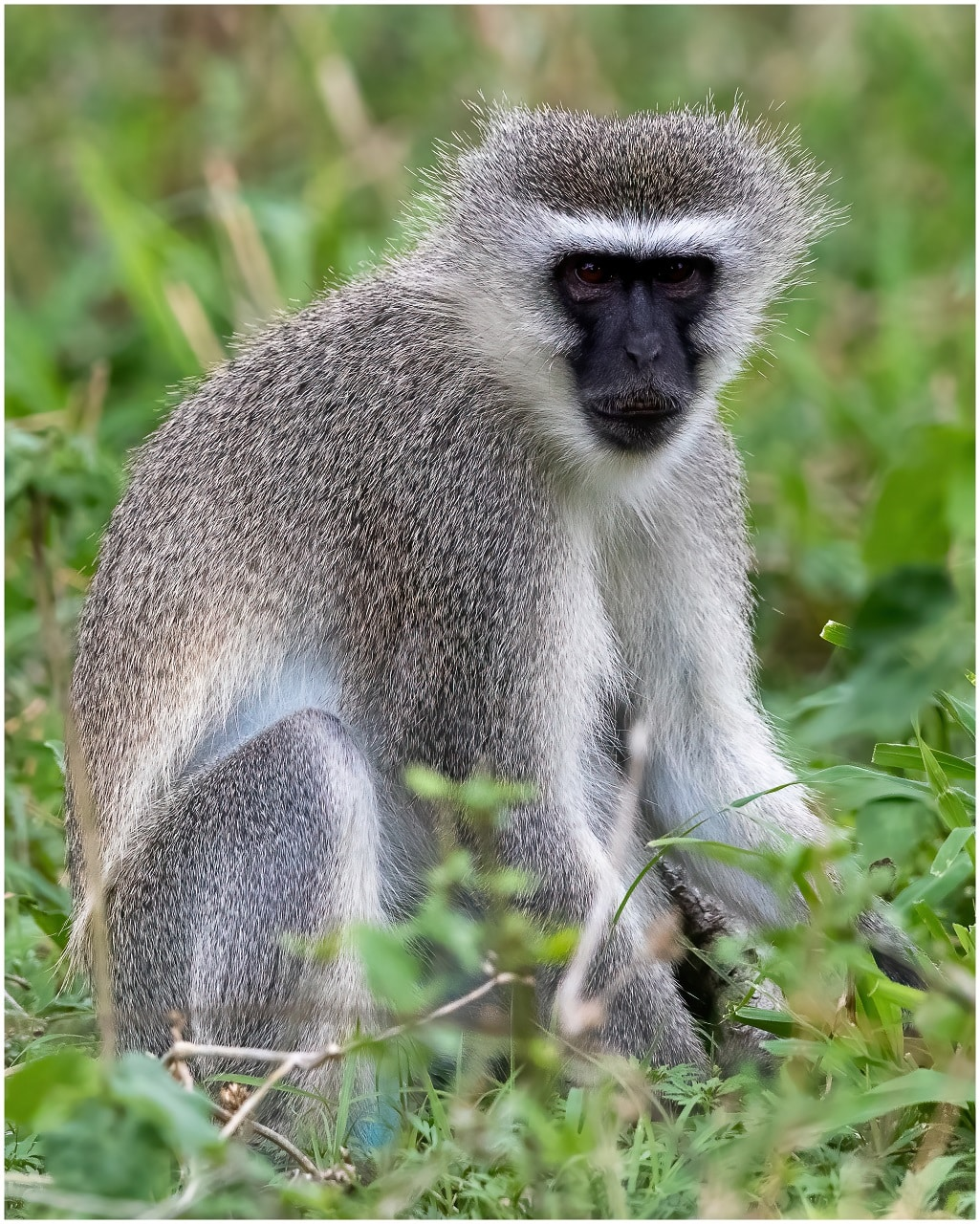
Vervet Monkey
The Vervet monkey is an intriguing species of primate found throughout waterfalls and dense forests in East Africa, from Sudan to the South African coast. Vervet monkey’s scientific name is “Chlorocebus pygerythrus,” Vervet monkey is formally known as one of the five animals that start with a “v.”
Their range from 13-22 inches in length and weigh up to 11 pounds. These small but mighty primates exhibit many interesting behaviors.
Like communicating through vocalizations, raising their young collaboratively (with both genders caring for youngsters in a family unit), and exhibiting intelligence, the Vervet monkey diet primarily consists of leaves, fruits, nuts, roots, grasses, and flowers.
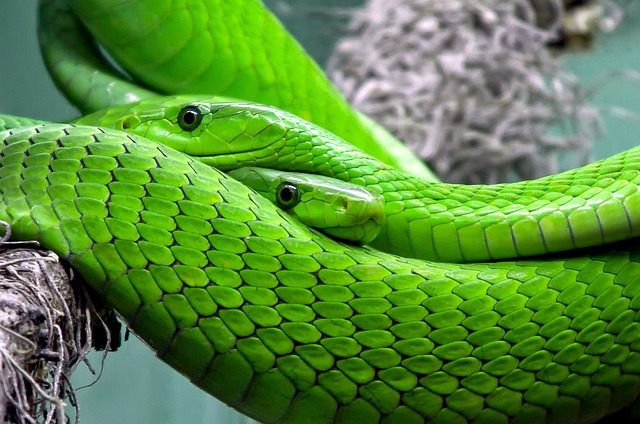
Vine Snake
The vine snake is a relative of the cobra and is one of many animals that start with v. It’s also one of only two animals that start with ‘V’ that are venomous snakes. It has a greenish body with distinctive yellow or white striping, which serves as a warning to potential prey. Though they usually rely on their camouflage abilities.
Vine snakes are fascinating creatures in various parts of the world, primarily in South America, Africa, and Southeast Asia. They are flexible and capable of contorting their bodies to get through tight spaces while they hunt lizards, frogs, birds, and small mammals.
Virgin Islands Dwarf Gecko
The Virgin Islands dwarf gecko is one of the few animals that start with the letter V. They are native to the Virgin Islands. This humble reptile can reach lengths up to three inches and has a lifespan of around 8-years in the wild.
It is most active at night, and during the day, it will hide from predators beneath tree bark and leaves. Its diet consists mainly of small insects like moths, spiders, fruit, and nectar foraged in nature.
An interesting fact about the Virgin Islands dwarf gecko is that, unlike other reptiles, their tails are used primarily for balance instead of defense or escape.
They use particular organs on either side of their bodies to detect movement, allowing them to outsmart predators while scurrying through dense foliage and away from danger.
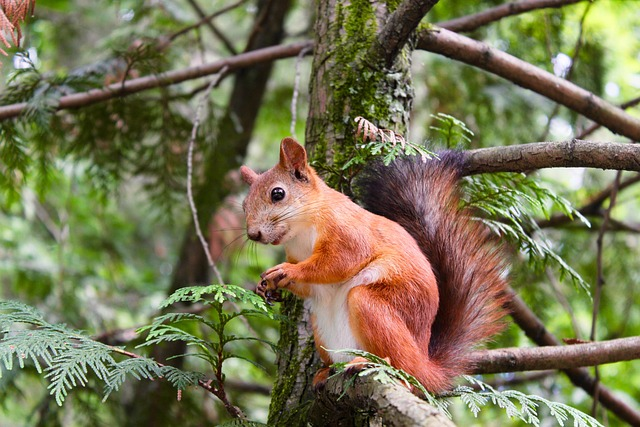
Variegated Squirrels
Variegated squirrels are among the many animals that start with ‘V.’ They are part of the small rodents family and can be found inhabiting parts of Central and South America.
These are from the squirrel family with a two-tone coat pattern in shades of three distinct colors yellow, black, and grey. Variegated squirrels blend well with their surrounding environment while they scamper around trees.
Variegated squirrels commonly measure 35-37cm in length and, depending on their habitat, feed off various seeds, fruits, fungi, and nuts. Although they may look shy at first glance to humans, these creatures are pretty active and commonly engage in play fighting amongst each other.
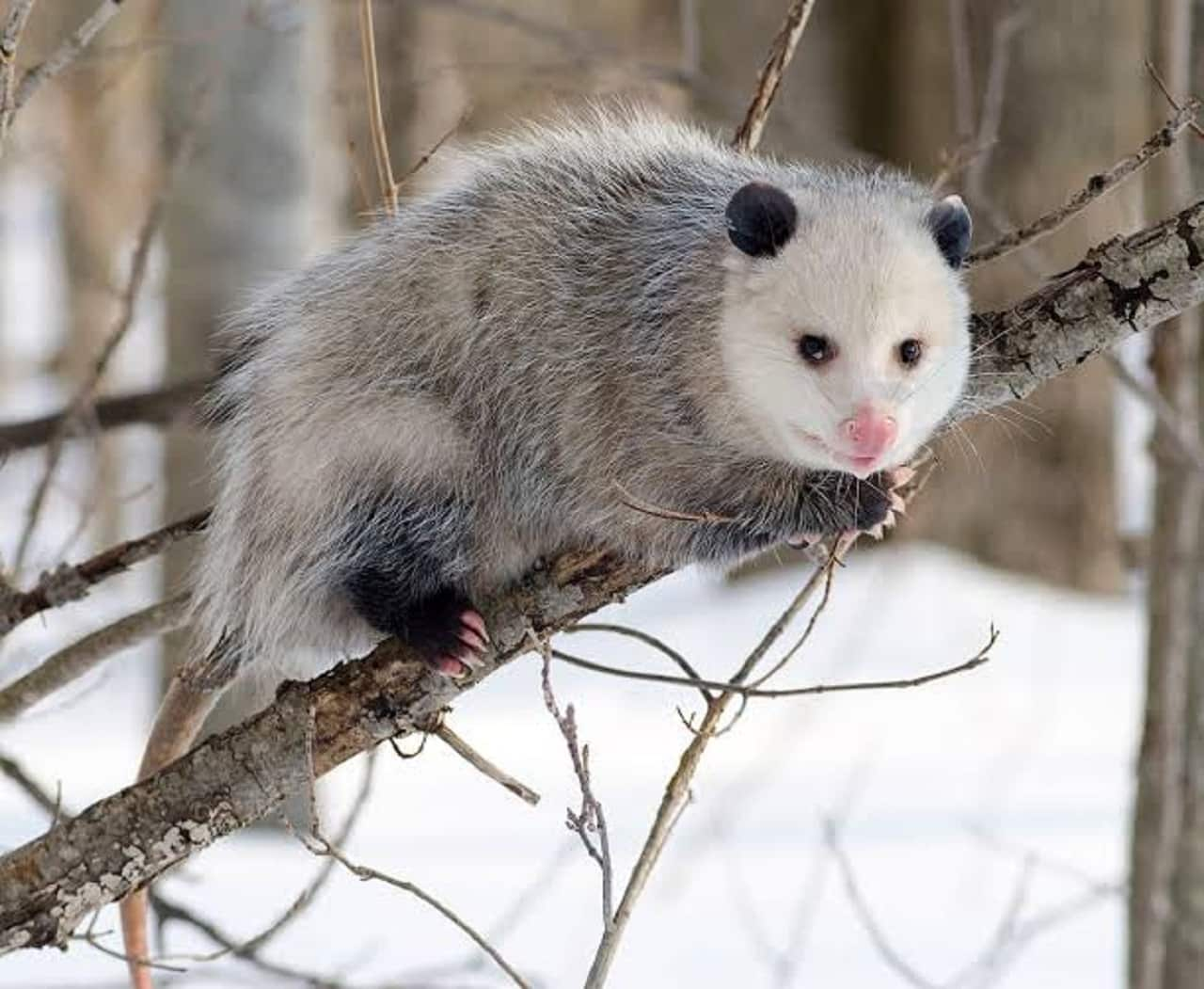
Virginia opossum
When you think of animals that start with “V,” the Virginia Opossum might be the first to come to mind. Despite its name, this small mammal is native to Central and South America, making it one of the most widely distributed land animals in the Americas.
Virginia opossum’s scientific name is Didelphis Virginiana, revealing its close relations with other species of opossums native to different regions across the American continent. Although these animals are known for their habit of “playing possums” when threatened, they are very active and intelligent.
Many studies have shown that Virginia Opossums are adept problem-solvers and navigators who must be taught.
Viper
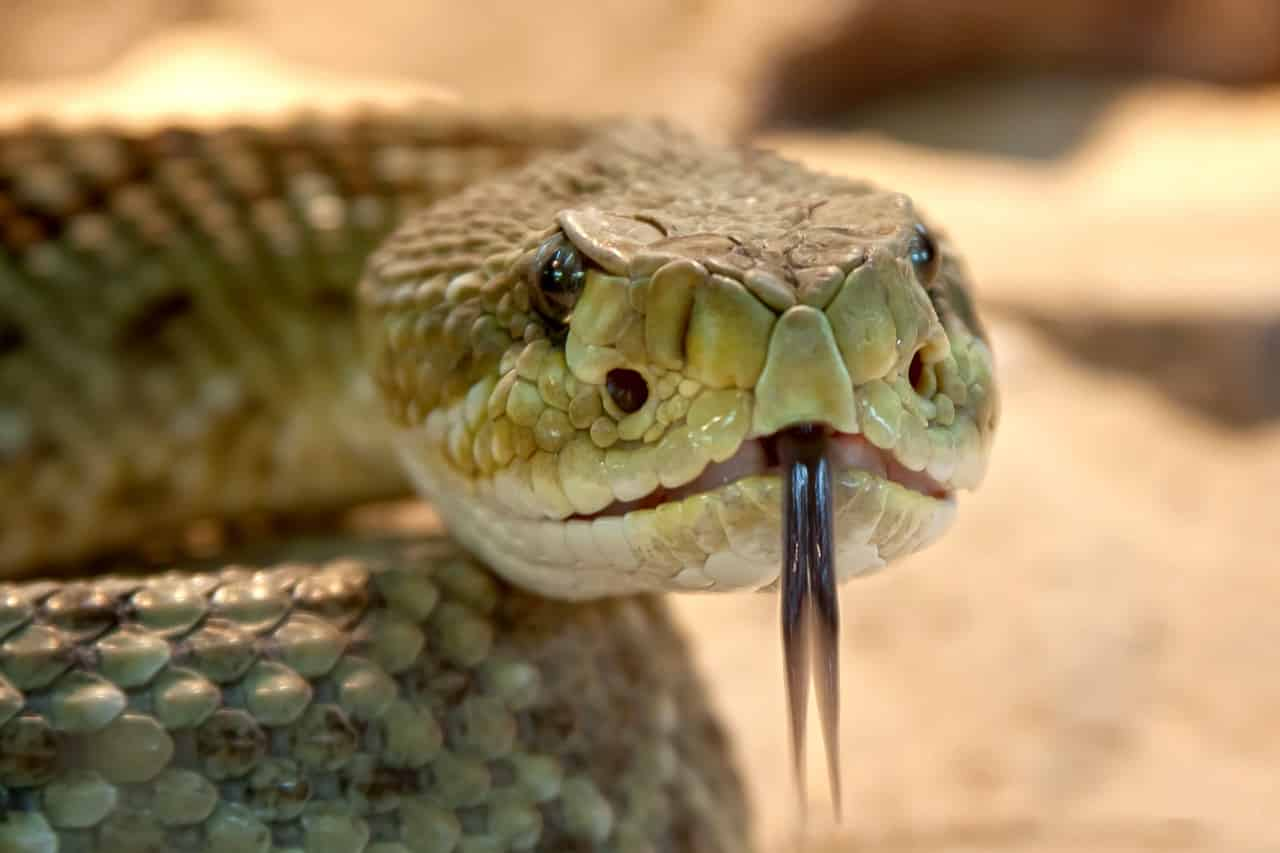
Viper snakes might not be the first animals that come to mind when you think of animals that start with “V,” but they are one of the most impressive. Vipers are a type of venomous snake found on almost every continent and many islands.
They have distinct triangular heads and long-hinged fangs holding their deadly venom. Conservation efforts are ongoing to help protect vipers, as overharvesting and destroying natural habitats have led some species to near extinction.
Some vipers are now endangered species or even critically endangered in certain areas. In the wild, these venomous snakes often hide in shady spots. They only come out for food or shelter from the heat and other predators.
Velvet Asity
One of the most beautiful animals that starts with V is velvet asity. The velvet asity scientific name is Philepitta Castanea. Of all the animals in the world, they might be one of the quirkiest looking at first glance.
These animals have a wingspan of only 3-4 inches and are mainly brownish-green in color with a bright blue head and tail. They are native birds of Madagascar, where their natural habitats range from tropical rainforests to dry deciduous forests.
Sadly, their numbers are declining due to deforestation and hunting for food.
Vlei Rat
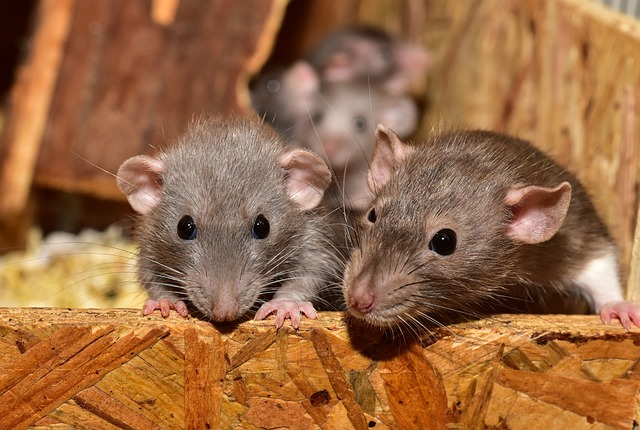
Vlei Rats is an interesting animal that starts with V and is mainly found in Central and Southern Africa. They are typically between 16 and 25 cm long, with a tail of 11-15cm. As their name suggests, Vlie Rats populate marshy areas near streams and rivers called “vleis” in Afrikaans.
These animals have shorter legs than most rats and smaller ears. But don’t let their size fool you- the Vlie Rat is quite active and agile. When they find a food or water source nearby, they will readily store it away for later consumption. They are classified as a commensal rodent species.
Vinegaroon
the vinegaroon is one of the animals that start with V. This unique creature can be found in the warmest and driest parts of the southwestern United States and Mexico. It gets its name from the vinegar-like solid smell it emits when disturbed or threatened.
The vinegaroon is a type of arachnid related to spiders and scorpions. They have two large pincers, like a lobster, which they use to defend themselves or capture food. When these animals feel threatened, they raise their tail and spray a mixture of acetic acid and caprylic acid as a defensive measure. This is why it smells like vinegar!
These animals are nocturnal and eat insects, spiders, lizards, and other animals they can catch. These animals can survive up to three years without food or water.
Vinegaroons are important animals in their ecosystem as both predators and prey. They help maintain the balance of their environment by controlling insect populations that could otherwise become pests.
Verreaux’s Sifaka
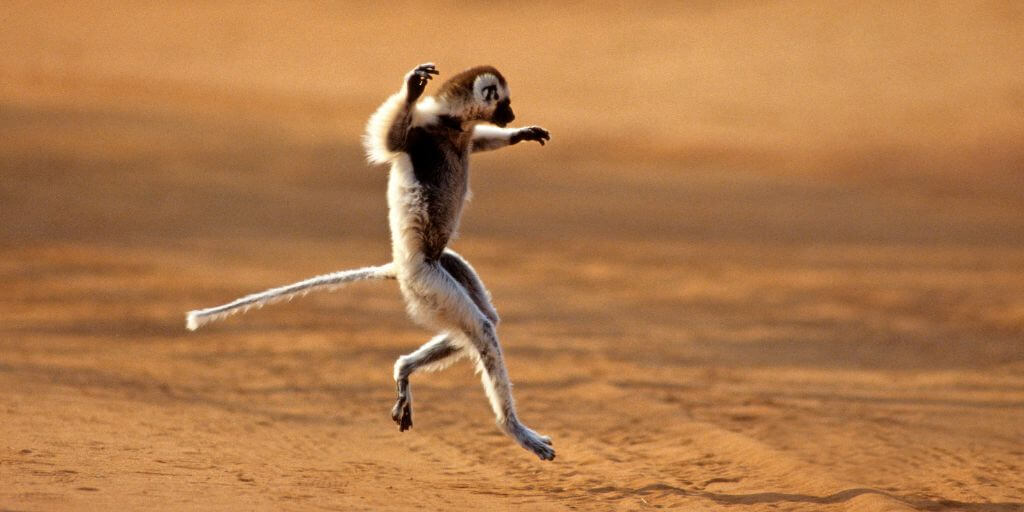
Verreaux’s Sifaka ( Propithecus Verreauxi) is an endangered mammal that belongs to the animals that start with V. Native to certain parts of Madagascar, this beautiful species is known for its unique black and white fur. They are also called White-fronted Brown Lemurs or Silky Sifakas.
Verreaux’s Sifaka is an arboreal species, meaning they spend most of their lives in trees and rarely come down to the ground. They mainly feed on leaves, flowers, fruits, and seeds found in trees. These animals can reach up to 28 inches (71 cm) from head to tail.
These animals are also characterized by their distinct white facial markings and long, silky fur. Due to deforestation, Verreaux’s Sifaka is now an endangered mammal. The destruction of its natural habitat has caused a rapid decline in its population size.
Currently, the main threat to this species’ survival is poaching for bushmeat and habitat destruction. Verreaux’s Sifaka is an amazing species that deserves our attention and support to ensure its survival for future generations.
This endangered mammal can be rescued with proper conservation and protection, ensuring its continued existence in the wild. Additionally, If you’re fascinated by unique and endangered species like Verreaux’s Sifaka, discover more remarkable animals that start with U to broaden your understanding of the diverse wildlife on our planet.
Vampire Spider
The vampire spider (Evarcha culicivora) is a small jumping spider native to areas near Lake Victoria in Kenya and Uganda. Despite its name, it doesn’t consume blood directly; instead, it targets blood-fed female mosquitoes as prey, making it an indirect blood consumer.
Known for its sharp vision and exceptional jumping ability, the vampire spider is highly skilled at locating and capturing its specific prey. By reducing mosquito populations, this spider plays a small but valuable role in controlling disease-carrying insects.
Researchers find its unique feeding strategy of interest in studying predator-prey interactions and mosquito control methods.
Viperfish
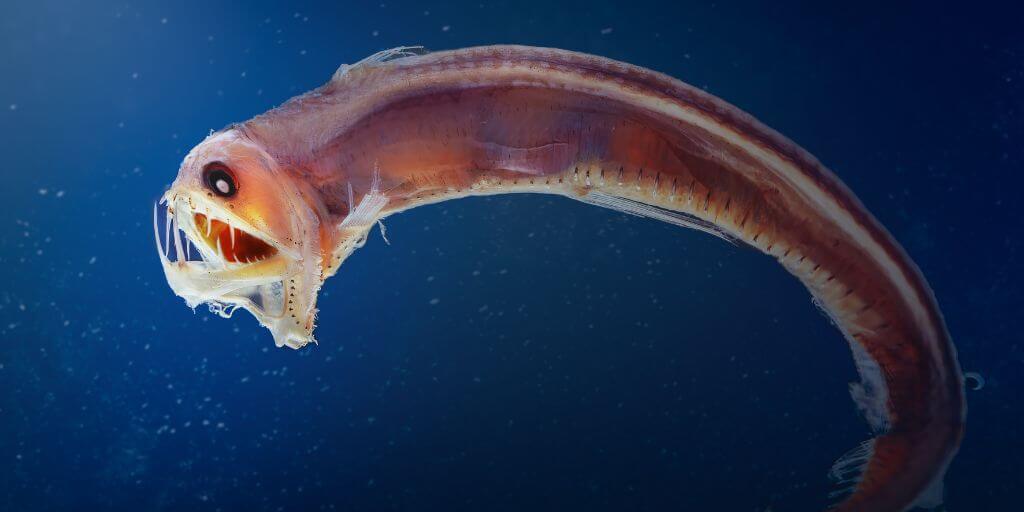
The viperfish, especially Sloane’s viperfish (Chauliodus sloani), lives in the ocean’s twilight zone at depths of 200 to 1,000 meters. Known for its menacing appearance, the viperfish has long, needle-like teeth and light-emitting organs called photophores.
These photophores help the fish stay camouflaged by blending with the light coming from above, allowing it to ambush prey effectively.
Its dorsal fin has a bioluminescent lure to attract smaller fish, which it grabs with powerful jaws. Viperfish possess an expandable stomach, enabling them to consume prey larger than themselves—an adaptation crucial for survival in their deep-sea habitat.
Volcano Snail
The volcano snail (Chrysomallon squamiferum), also known as the scaly-foot gastropod, inhabits hydrothermal vents in the Indian Ocean. This deep-sea snail is unique for its iron-sulfide-coated shell and scale-like structures on its foot, which offer durability in extreme environments.
The volcano snail’s survival relies on symbiotic bacteria that generate energy through chemosynthesis, converting vent chemicals into sustenance without needing traditional food sources.
Its shell’s design has drawn interest for potential uses in materials science, as it absorbs stress and resists heat. Unfortunately, this snail faces threats from deep-sea mining, making its conservation increasingly urgent.
Valley Bulldog
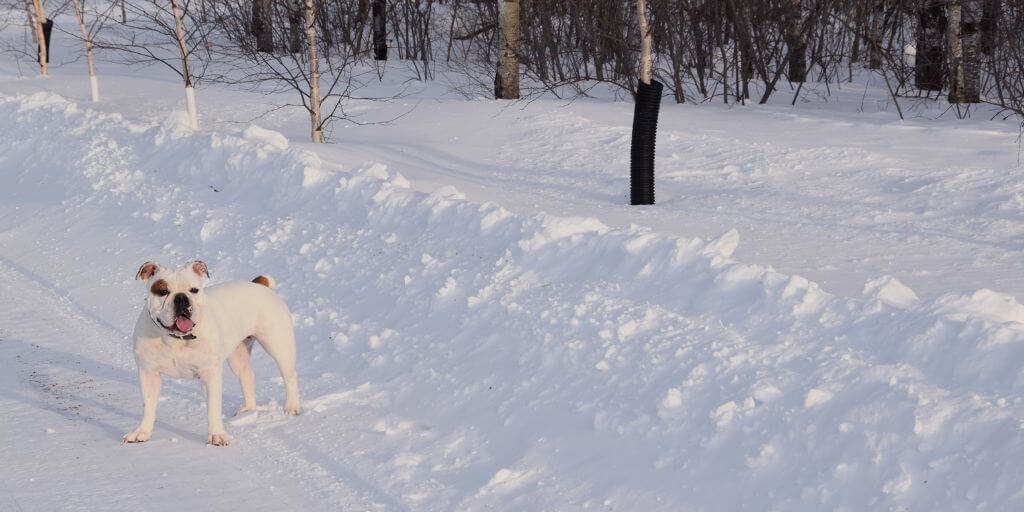
The Valley Bulldog, a cross between the Boxer and English Bulldog, is a muscular breed that originated in Nova Scotia, Canada. With a sturdy frame, broad head, and playful demeanor, this breed is well-suited as a companion animal.
Valley Bulldogs are intelligent, trainable, and respond best to firm guidance, benefiting from structured exercise and mental stimulation. While strong, they’re also gentle with children, which makes them popular family pets.
Their alert nature makes them reliable watchdogs, and their friendly disposition contributes to their reputation as well-rounded, loyal pets for households that can meet their exercise needs.
Vampire Crab
The vampire crab (Geosesarma sp.) is a small, vibrant crustacean from Java, Indonesia, known for its bright purple body and striking yellow eyes. Semi-terrestrial, these crabs thrive in humid, freshwater environments close to dense vegetation.
Vampire crabs are nocturnal and omnivorous, feeding on a mix of insects, worms, and plant matter. In captivity, they require both water and land access to mimic their natural habitat.
Although territorial with other species, they typically coexist peacefully with their kind when given ample space. Their unique appearance and active behaviors make them appealing choices for aquarists looking for exotic pets.
FAQs
What are the rodent animals that start with V?
Voles are small rodents that are found all around the world.
Are there any animals that start with V?
Animals that start with V include mammals such as vultures, viréos, and opossum swine.
Conclusion
The fascinating world of animals offers an intriguing glimpse into animals starting with V. Among these, the endemic Visayan warty pig and spotted deer stand out, found exclusively in their native habitats. The elusive volcano rabbit, dwelling in Mexican volcanoes, remains an enigmatic small mammal, while the vermilion flycatcher, a vibrant bird in Central and South America, exhibits its allure by attracting prey with its colorful plumage.
The viperfish, a deep-sea denizen, and the smallest cetacean, endemic to Madagascar, add to this diverse list. Their uniqueness sparks curiosity, emphasizing the incredible diversity and adaptations within the animal kingdom.
To find out more about other animals whose names start with other alphabet letters, check out the rest of our animals that begin with or start with the letter: A, B, C, D, E, F, G, H, I, J, K, L, M, N, O, P, Q, R, S, T, U, V, W, X, Y, Z.
Hi, I’m Olivia Kepner and I am a zookeeper here in San Diego. Since I was a young girl I have always been fascinated by animals and species across the globe.
I used to beg my parents to take me to our local zoo every single weekend. Well, I say local – it was more like a two hour drive away. But they took me as much as they could, allowing me to fall in love with the animals again and again.
We use cookies to ensure that we give you the best experience on our website. If you continue to use this site we will assume that you are happy with it.